Understanding When to Consult an Orthopaedic Specialist
Contents
If you've been experiencing persistent joint or bone discomfort, you might wonder when to consult an orthopaedic specialist. Orthopaedic doctors are experts in diagnosing and treating conditions related to the musculoskeletal system. Knowing when to seek their advice can ensure timely treatment and help prevent further complications.
Common Causes of Joint Pain
Joint pain can stem from various causes, ranging from injuries to chronic conditions. Some common culprits include:
- Osteoarthritis: A degenerative joint disease that wears down the cartilage, leading to pain and stiffness.
- Rheumatoid Arthritis: An autoimmune condition causing inflammation and joint damage.
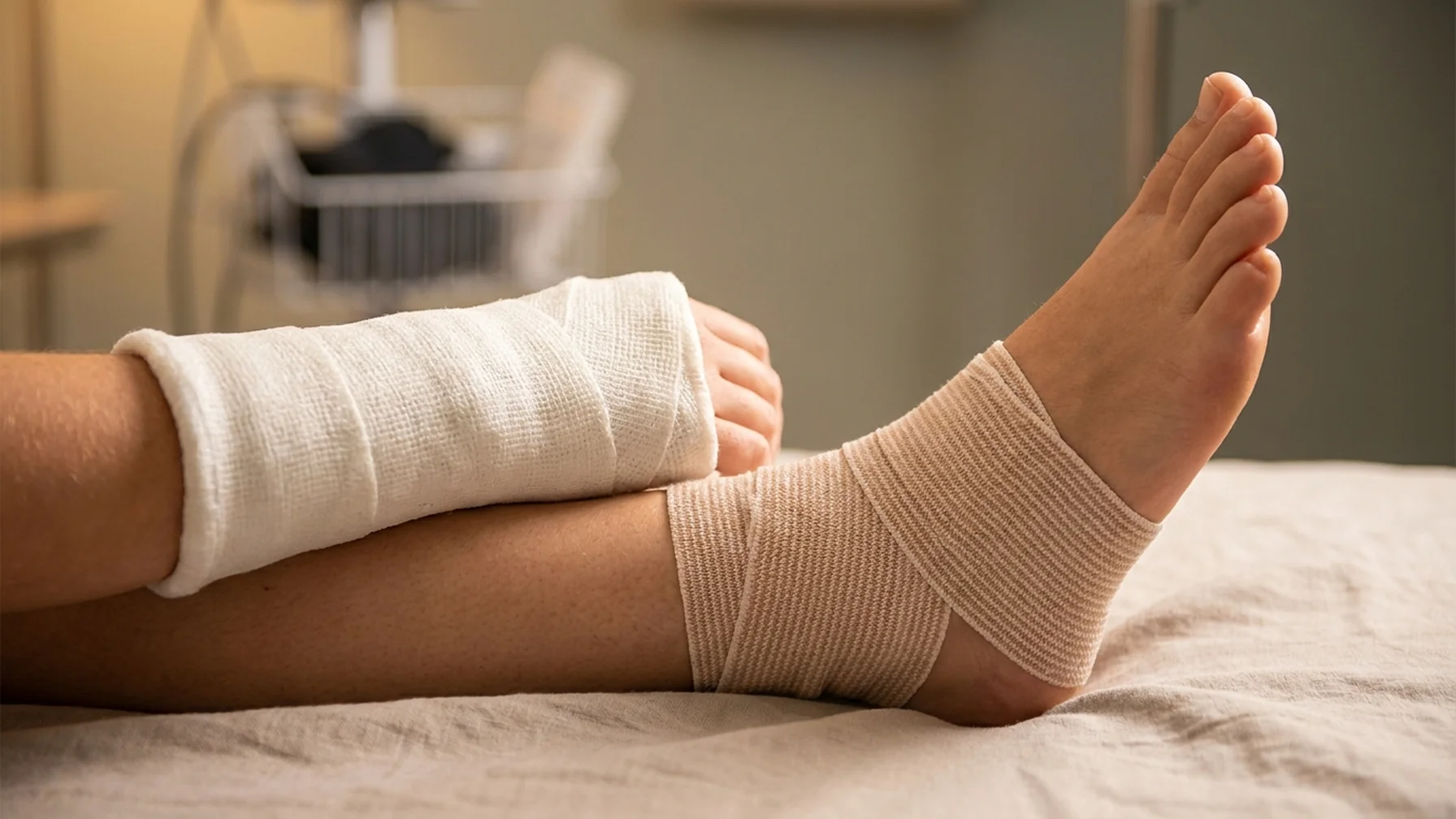
- Injuries: Sprains, strains, or fractures can lead to acute or chronic joint pain.
- Bursitis: Inflammation of the bursae, small sacs cushioning the joints.
Recognizing these conditions early and consulting an orthopaedic specialist can help manage symptoms effectively and improve quality of life.
Understanding Knee Replacement
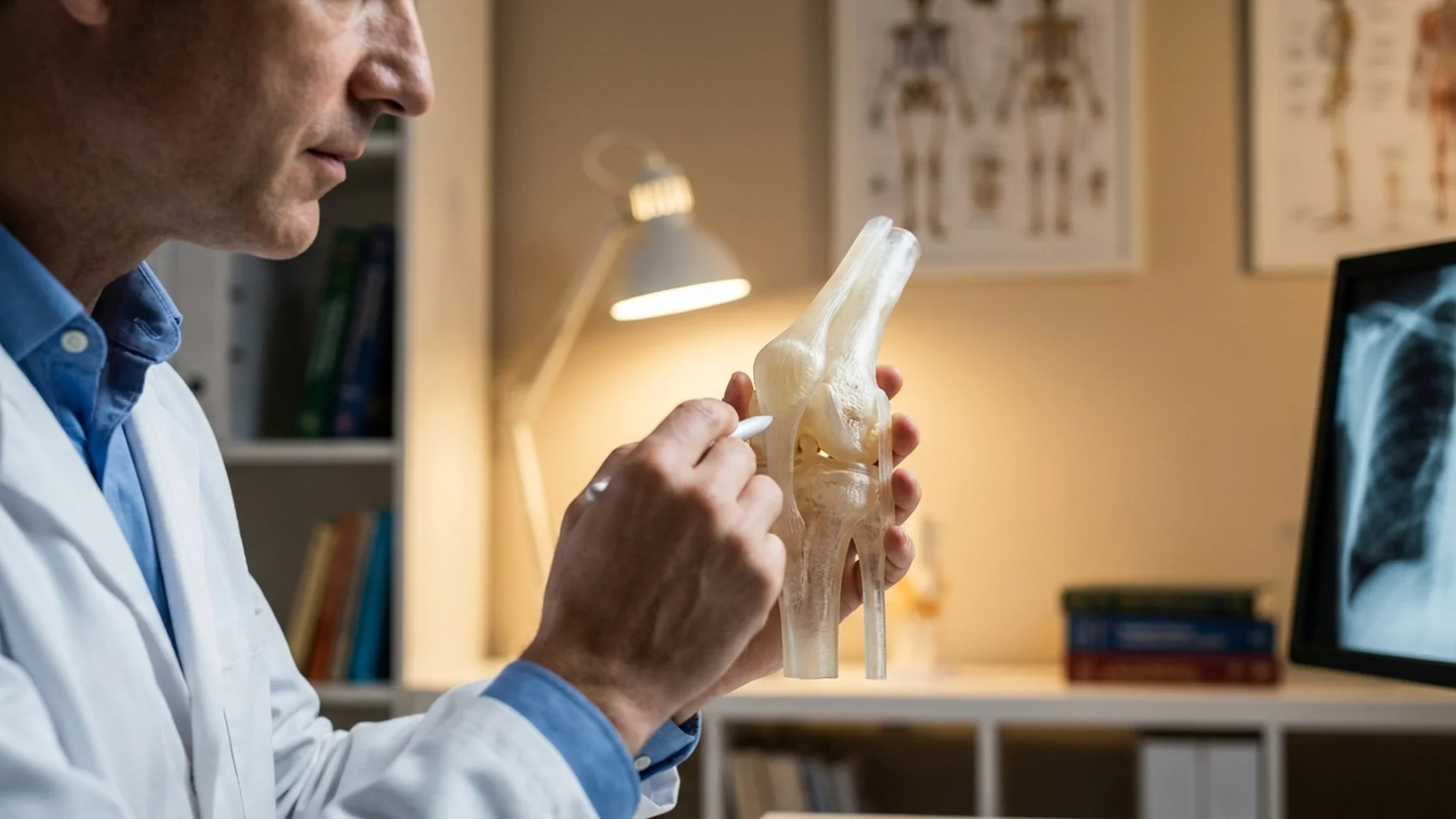
Knee replacement surgery involves substituting damaged areas of the knee joint with artificial parts. This operation is usually suggested when arthritis or injury has caused severe harm to the knee, and other methods have not alleviated the discomfort.
Here's a straightforward look at when knee replacement might be necessary:
- Persistent knee pain that disrupts daily activities
- Stiffness limiting knee movement
- Swelling that does not subside with rest
To help you understand the differences in knee replacement procedures, consider the following table:
Types of Knee Replacement
| Type | Description |
|---|---|
| Total Knee Replacement | Replaces the entire knee joint. |
| Partial Knee Replacement | Replaces only the damaged part of the knee. |
When to See an Orthopaedic Doctor
It's crucial to consult an orthopaedic specialist if you experience any of the following symptoms:
- Severe or persistent joint pain that doesn't improve with rest or over-the-counter medication.
- Swelling, redness, or warmth around a joint.
- Difficulty moving a joint or feeling stiffness in the morning lasting more than 30 minutes.
- Visible deformity or inability to bear weight on a limb.
For instance, if you have swelling that does not improve with ice and rest, or if you notice a visible deformity after a fall, seek immediate consultation. Early intervention can prevent further joint damage and improve long-term outcomes.
When is Joint Replacement Necessary?
Joint replacement surgery becomes necessary when joint damage severely affects daily activities and quality of life. If conservative treatments fail to alleviate pain and improve function, an orthopaedic specialist may recommend this procedure.
Consider a scenario where you can no longer enjoy simple activities like walking or climbing stairs due to debilitating pain. In such cases, consulting a specialist about joint replacement could significantly enhance your quality of life.
Steps to Take Before Consulting an Orthopaedic Specialist
Knowing when to consult an orthopaedic specialist can be crucial for your musculoskeletal health. Here are some important steps to consider before seeking specialized care.
- Evaluate your symptoms: Assess the severity and duration of your pain or discomfort.
- Consider home remedies: Attempt rest, ice, and over-the-counter medication to relieve initial symptoms.
- Monitor for worsening conditions: If symptoms persist or worsen after a few weeks, schedule an appointment with an orthopaedic specialist.
Consulting an orthopaedic specialist at the right time can lead to effective treatment and a quicker recovery, so pay attention to your body's signals and take action when necessary.
Natural Ways to Relieve Hip Pain
Managing hip pain naturally can involve several approaches:
- Exercise: Gentle exercises, such as swimming or walking, can help maintain joint function.
- Weight Management: Maintaining a healthy weight reduces stress on the hip joints.
- Heat and Cold Therapy: Applying heat can relax muscles, while cold therapy reduces inflammation.
These methods can be effective in managing mild to moderate hip pain, but severe cases may require medical intervention.
Recovery After Joint Replacement Surgery
Recovering from joint replacement surgery involves a combination of rest, physical therapy, and gradual return to activities. Following the surgeon's instructions and attending all follow-up appointments is essential for successful recovery.
Exercises for Healthy Joints
Regular exercise is vital for maintaining joint health. Consider incorporating these activities into your routine:
- Stretching: Enhances flexibility and reduces stiffness.
- Strength Training: Builds muscles around joints to provide support.
- Aerobic Exercise: Improves overall fitness and joint function.
Always consult with a healthcare provider before starting any new exercise regimen, especially if you have existing joint issues.
Prevention Strategies for Bone Health
Preventing osteoporosis and maintaining bone health are essential for avoiding fractures and ensuring long-term mobility. Consider these strategies:
- Consuming calcium-rich foods like dairy products and leafy greens.
- Ensuring adequate vitamin D intake through sunlight exposure or supplements.
- Engaging in weight-bearing exercises to strengthen bones.
Implementing these measures can help maintain bone health and prevent complications related to bone density loss.
Understanding when to consult an orthopaedic specialist and recognizing the signs and symptoms of various musculoskeletal issues is vital for maintaining overall joint and bone health. Early intervention can make a significant difference in treatment outcomes and quality of life.