Understanding the Differences Between Sprains and Fractures
Contents
Sprains and faulting are commons injuries affecting the musculoskeletal system, often leading to confusion due to their similar symptoms. Knowing the differences between sprain and fractures is essential for accurate diagnosing and intervention. This article explores these divergence to helper you identify and manage these injuries effectively.
Understanding Sprains
A sprain occurs when the ligaments, the tissues connecting bones at a articulation, are stretched or torn. Paraphrase: They usually happen due to a sudden twist or autumn that forces a joint out of its normal position. Common sites for sprains include the ankle, wrist, and knee. Here's the bottom line: sprain are characterized by symptom such as hurting, gibbosity, wound, and a limited orbit of motion in the affected joint.
Treatment Options for Sprains
Treating sprains focuses on reducing pain and bulge. The R. I. C. E. method is commonly recommended:
- Rest: Avoid using the injured area to preclude further damage.
- Ice: Apply ice packs wrapped in a cloth for 15-20 minutes every hour as needed.
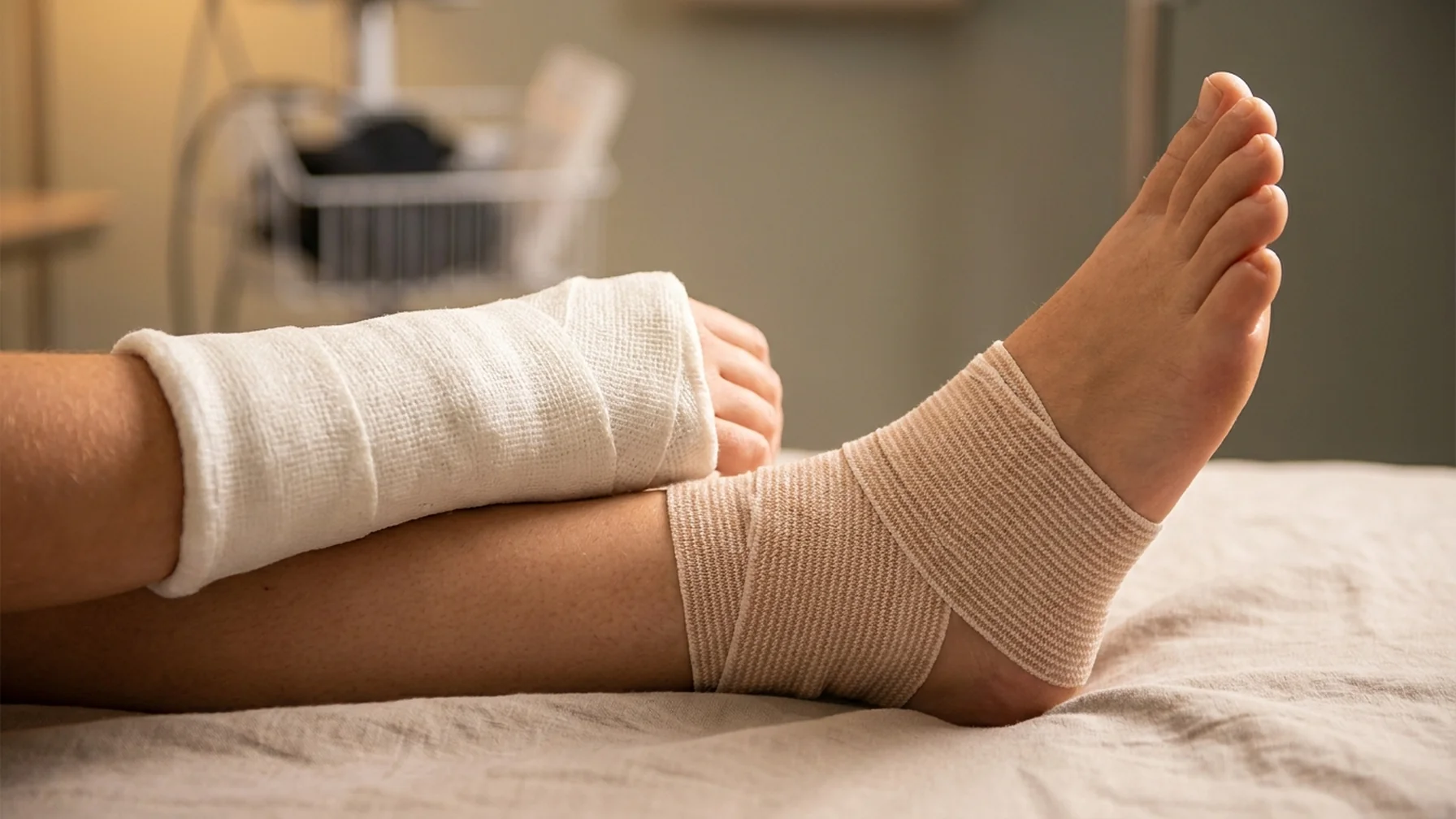
- Compression: Use an elastic bandage to reduce gibbosity, ensuring it 's not too tight.
- Elevation: Raise the hurt limb above heart level to minimize swelling.
In some case, physical therapy may be advised to restore joint mobility and strength. Wicked sprains might take operative interference to repair tear ligaments.
Exploring Fractures
In contrast, a faulting refers to a break in the bone. Fractures can range from small cracks to complete breaks and may occur in any bone in the body. They're usually caused by substantial force or trauma, such as a fall, accident, or direct impact. Symptom of a break include immediate and intense hurting, puffiness, bruise, and sometimes an unfitness to move the impact limb or joint.
Comparing Sprains and Fractures
The following tabular array highlights the key differences between sprains and fractures, which are crucial for understanding these injuries.
The table below summarizes these differences:
| Aspect | Sprain | Fracture |
|---|---|---|
| Definition | A stretch or tear of ligaments | A break in the bone |
| Cause | Twisting or overstretching a joint | Trauma, such as a spill or impact |
| Symptoms | Swelling, bruising, and hurting around the joint | Severe pain, swelling, and malformation of the impact area |
| Treatment | Rest, ice, compression, elevation ( RICE ) | Immobilization, hurting management, and possibly surgery |
| Long-term effects | Possible recurring instability | Potential for long-term complications if untreated |
This comparison helps clarify the distinct characteristics of twist and fracture, assisting in recognizing the set aside medical response.
Diagnosing Sprains and Fractures
Accurate diagnosis is crucial for differentiating between a wrench and a fracture. A health care professional person typically performs a, sort of, physical examination and may order imaging tests. Here's the deal, x-rays are the standard for diagnosing fractures, while MRIs or ultrasounds can assess the severity of a sprain. Notably, correct diagnosis leads to appropriate treatment plans and prevents further injury.
Treatment Options for Fractures
The intervention of fracture depends on the severity and location of the break. Most fractures require immobilization with a cast or splint to allow proper mend. Honestly, in some cases, surgical intervention may be necessary to realign and stabilize the clappers use metal rods, screws, or plates. Rehabilitation exercising are important for restoring strength and flexibleness once the osseous tissue has healed.
Preventing twist and Fractures
Preventing these injuries involves maintaining strong muscles and good flexibility. Regular exercises promote healthy joints and can significantly cut back the risk of sprains and fractures. Wearing appropriate footwear, warming up before physical activities, and using protective gearing during sport can also aid in prevention.
- Engage in fixture strengthening exercises.
- Wear supportive and appropriate footwear.
- Use protective gear during sports activities.
- Warm up properly before physical exertion.
When to Seek checkup Attention
Recognizing when to seek checkup attention is vital for managing sprains and fractures effectively. Inability to bear weight, or visible deformity after an injury, seek checkup help immediately, If you experience severe pain. The truth is: besides, early evaluation by an orthopedic doctor can prevent complications and promote a faster recovery.
Conclusion
Understanding the differences between sprains and fractures is vital for appropriate intervention and recovery. Recognise the symptoms and cognise when to seek medical help can make a considerable difference in healing time and outcomes. If in doubt, consult a healthcare professional to ensure the best care for your injury.