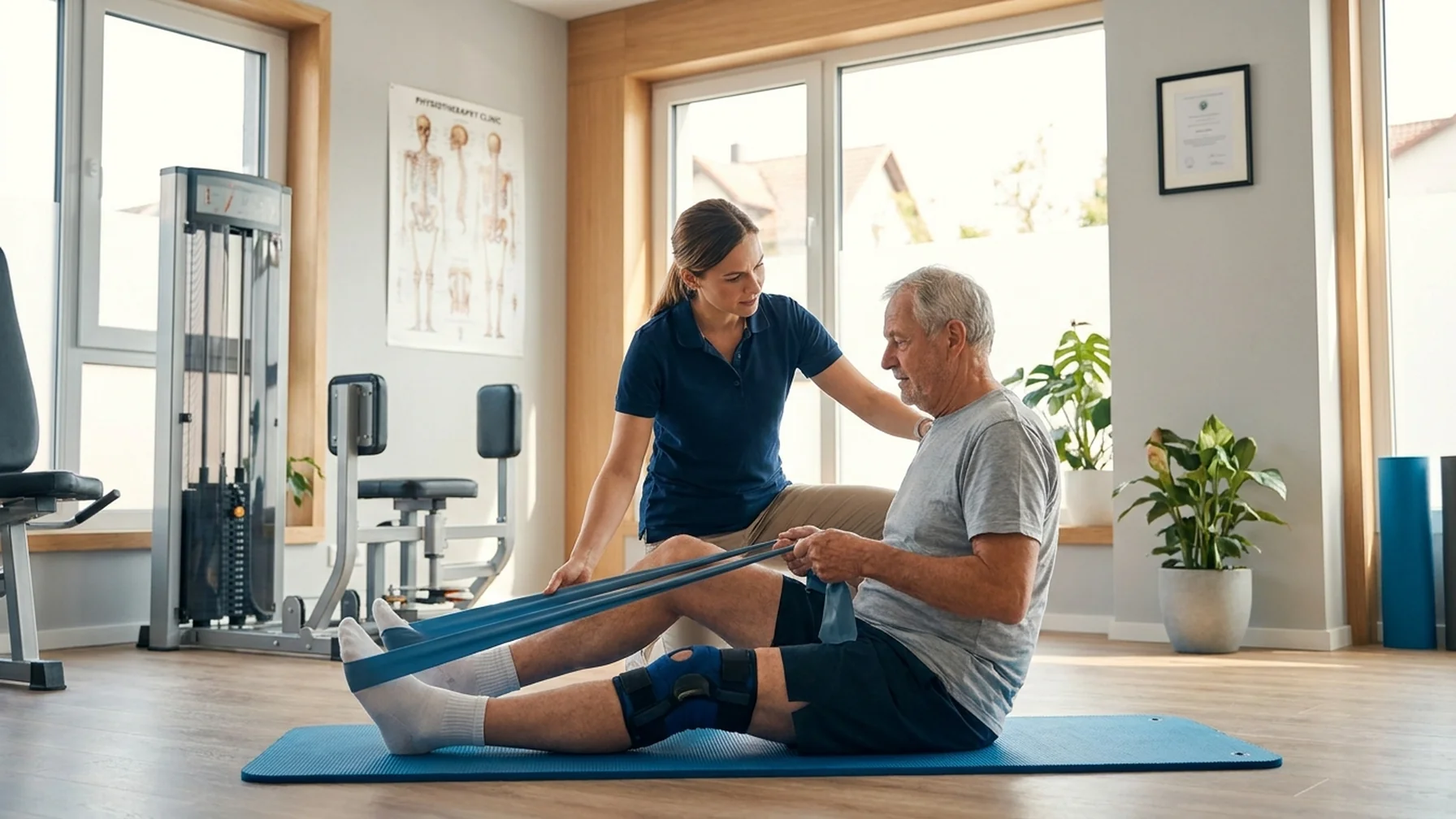

Understanding Osteoarthritis Symptoms: A Comprehensive Guide
Contents
Osteoarthritis is a common joint condition affecting millions worldwide. Understanding osteoarthritis symptoms is crucial for managing the disease effectively and improving quality of life. This guide explores the nature of osteoarthritis, common causes of joint pain, and strategies to alleviate symptoms naturally.
What is Osteoarthritis?
Osteoarthritis is a degenerative joint disease characterized by the breakdown of cartilage, the flexible tissue at the ends of bones. It primarily affects the knees, hips, hands, and spine. Symptoms often develop gradually and can worsen over time.
Common Causes of Joint Pain
Joint pain is a frequent complaint among individuals with osteoarthritis. Understanding the factors contributing to this discomfort can help in managing the condition effectively. Below is a table summarizing key causes:
Key Factors Contributing to Joint Pain:
| Cause | Description |
|---|---|
| Aging | As we age, cartilage naturally wears down, leading to increased joint friction. |
| Injury | Previous injuries can increase the risk of developing osteoarthritis in affected joints. |
| Obesity | Excess weight puts additional stress on weight-bearing joints like the knees and hips. |
| Genetics | A family history of osteoarthritis can make individuals more susceptible to the condition. |
Recognizing these causes is crucial for taking preventive measures and seeking appropriate treatment when necessary.
Recognizing Osteoarthritis Symptoms
Identifying osteoarthritis symptoms early can aid in managing the condition effectively. Key symptoms include:
- Pain and stiffness, particularly after waking up or after sitting for extended periods.
- Swelling and tenderness around the joint.
- A grating sensation or sound when using the joint.
- Decreased range of motion.
Micro-examples of these symptoms include finding it difficult to bend your knee after sitting or feeling a grinding sensation in your hip while walking.
Steps to Identify Osteoarthritis Symptoms
Understanding osteoarthritis symptoms is essential for early detection and effective management. Here are the key steps to recognize these symptoms:
- Observe any persistent joint pain, especially during or after movement.
- Note any swelling or tenderness in the affected joints.
- Monitor for decreased flexibility or a reduced range of motion in your joints.
By following these steps, individuals can better identify osteoarthritis symptoms, facilitating timely consultation with healthcare providers for a tailored treatment plan.
When to See an Orthopaedic Doctor
Consulting an orthopaedic doctor is crucial if you experience symptoms that interfere with daily activities. Seek medical advice if:
- Joint pain persists for more than a few weeks.
- There is significant swelling or a noticeable change in joint shape.
- You experience joint instability or a feeling of the joint giving out.
Early intervention can prevent further joint damage and improve treatment outcomes.
Natural Ways to Relieve Hip Pain
For those seeking alternative methods to alleviate hip pain, consider the following natural remedies:
- Regular exercise: Low-impact exercises like swimming and cycling can strengthen muscles around the hip.
- Weight management: Maintaining a healthy weight reduces stress on the hips.
- Heat and cold therapy: Applying heat can relax sore muscles, while cold can reduce inflammation.
Incorporating these habits into your routine can help manage hip pain effectively.
Exercises for Healthy Joints
Keeping joints healthy is essential for preventing osteoarthritis symptoms. Consider incorporating these exercises into your routine:
- Stretching: Enhances flexibility and reduces stiffness.
- Strength training: Builds muscles that support joints.
- Aerobic activities: Improves overall fitness and joint function.
Regular physical activity not only strengthens joints but also enhances overall health.
How to Prevent Bone Density Loss
Bone density loss can contribute to joint problems. To maintain strong bones, consider these strategies:
- Ensure adequate calcium and vitamin D intake.
- Engage in weight-bearing exercises such as walking or dancing.
- Avoid smoking and excessive alcohol consumption.
These measures can help maintain bone health and reduce the risk of osteoporosis.
Managing Lower Back Pain
Lower back pain is a common complaint and can be managed through various techniques:
- Physical therapy: A physical therapist can provide exercises to strengthen back muscles.
- Posture correction: Proper posture reduces strain on the back.
- Mindfulness and relaxation techniques: Help manage pain perception and reduce stress.
Implementing these strategies can provide relief and improve mobility.
When is Joint Replacement Necessary?
Joint replacement surgery may be considered when other treatments fail to relieve symptoms. Indications include:
- Severe pain unresponsive to medication and physical therapy.
- Significant loss of joint function.
- Decreased quality of life due to joint pain.
Consult with a healthcare professional to determine if joint replacement is the right option for you.
Conclusion: Taking Charge of Your Joint Health
Understanding osteoarthritis symptoms and the factors contributing to joint pain can empower individuals to manage their condition effectively. By adopting healthy lifestyle habits, seeking timely medical advice, and exploring natural remedies, you can improve your joint health and maintain an active, fulfilling life.