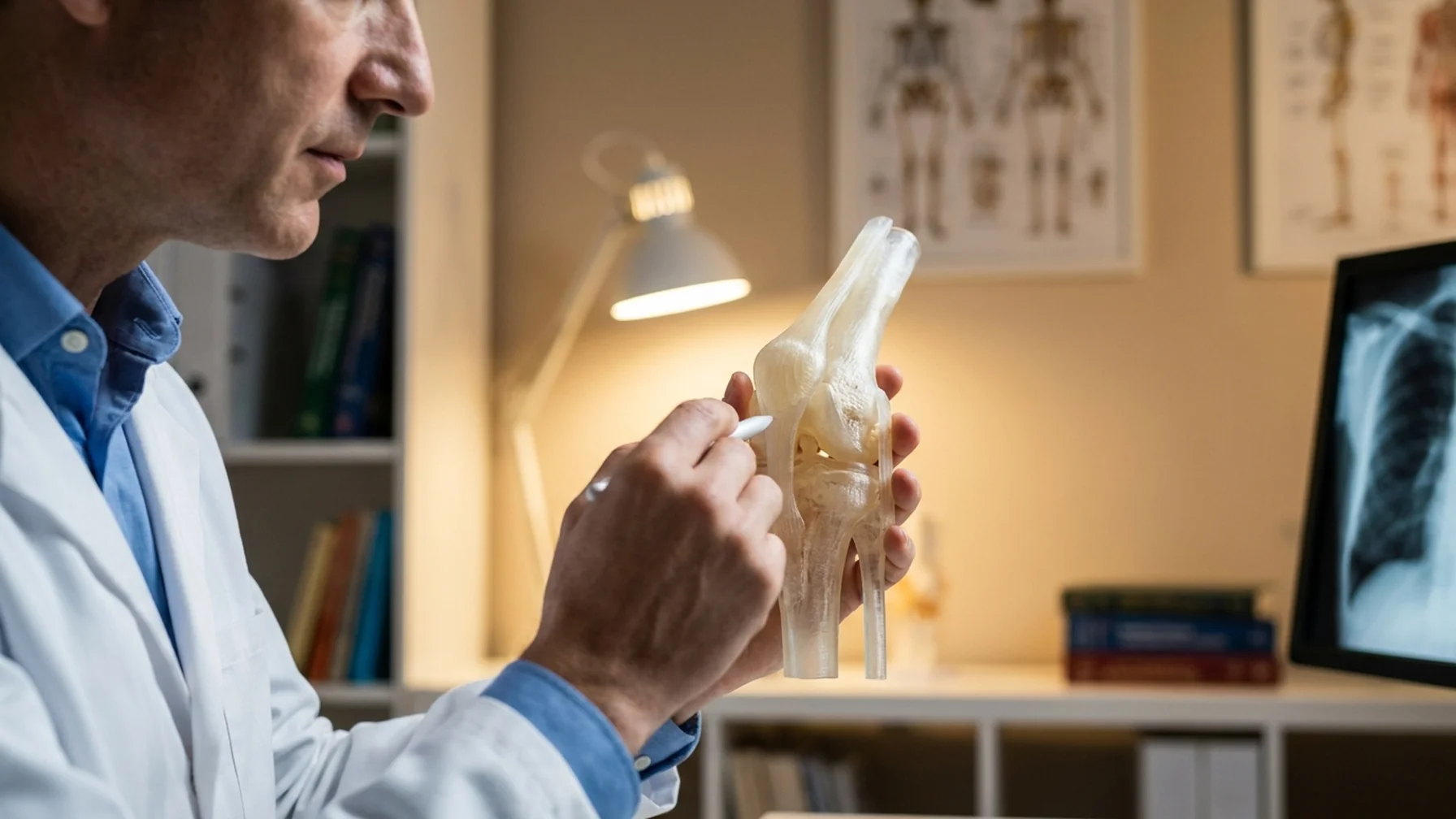

Understanding Common Joint Pain Triggers and Relief Options
Contents
Joint pain affects millions globally, impacting daily life and mobility. Understanding common joint pain triggers is essential for effective management and relief. Whether experiencing knee pain, hip discomfort, or arthritis, identifying these triggers can significantly aid in alleviating symptoms and improving quality of life.
Common Joint Pain Triggers
Various factors contribute to joint pain, and recognizing them can help manage discomfort more effectively. Here are some common triggers:
- Injury or trauma to the joint
- Overuse or repetitive strain
- Obesity, which stresses joints
- Arthritis and inflammatory conditions
- Prolonged inactivity
- Weather changes, especially cold and damp conditions
- Age-related wear and tear
Understanding these triggers allows individuals to make informed decisions about their lifestyle and activities, potentially reducing joint pain and enhancing mobility.
Common Causes of Knee Pain
Knee pain is a widespread issue with various causes. It can result from injuries, such as torn ligaments, which often occur during athletic activities. Osteoarthritis, a degenerative disease, leads to chronic knee pain as cartilage deteriorates over time. Overuse from repetitive movements can also cause discomfort.
Exercises for Healthy Joints
Regular exercise is crucial for maintaining joint health. It enhances flexibility and strength, reducing the risk of pain. Consider these activities:
- Swimming
- Cycling
- Stretching
Strengthening exercises, particularly for knees, can prevent future joint issues. Below is a table summarizing effective exercises and their benefits:
Effective Knee Strengthening Exercises
| Exercise | Benefit |
|---|---|
| Leg Lifts | Builds quadriceps strength |
| Squats | Improves overall leg strength |
Incorporating these exercises into your routine promotes healthier joints and reduces the risk of joint-related problems.
When to See an Orthopaedic Doctor
If joint pain persists, causes swelling, or limits movement, consulting an orthopaedic doctor is advisable. They can diagnose the issue and recommend treatment. Immediate attention is necessary if the pain results from an injury, as it could indicate a fracture or torn ligament.
How to Relieve Hip Pain Naturally
Relieving hip pain naturally involves strengthening exercises and improving flexibility. Activities like yoga, swimming, and walking are beneficial. Maintaining a healthy weight also reduces stress on the hips. Consuming anti-inflammatory foods, such as turmeric and omega-3-rich fish, can provide additional relief.
What is Knee Replacement?
Knee replacement surgery involves replacing damaged parts of the knee with artificial implants. It's typically required when severe arthritis or injury impairs daily activities and other treatments are ineffective. Recovery involves physiotherapy to restore mobility and strength.
What Causes Bone Density Loss?
Bone density loss, a precursor to osteoporosis, can arise from inadequate calcium and vitamin D, a sedentary lifestyle, or hormonal changes. Smoking and excessive alcohol intake also weaken bones. Preventing bone density loss requires a balanced diet and regular weight-bearing exercises.
How to Prevent Osteoporosis
Preventing osteoporosis involves a diet rich in calcium and vitamin D, regular physical activity, and avoiding smoking and excessive alcohol. Strength training and balance exercises particularly help maintain bone health.
Recognizing Signs of a Torn Ligament
A torn ligament may present with severe pain, swelling, and joint instability. A popping sound during injury is common. Immediate medical evaluation is crucial to prevent further damage and initiate appropriate treatment.
What is Frozen Shoulder?
Frozen shoulder, or adhesive capsulitis, is marked by stiffness and pain in the shoulder joint. It develops gradually and can last for months or years. Treatment includes physical therapy and exercises to restore motion.
Treating Lower Back Pain
Lower back pain management includes rest, physical therapy, and ergonomic adjustments. Core muscle strengthening and proper posture are essential. Applying ice or heat can also provide temporary relief.
Sprain vs. Fracture: Understanding the Differences
A sprain involves stretching or tearing ligaments, while a fracture is a bone break. Sprains typically result from twisting an ankle, whereas fractures often follow direct impact. Diagnosis requires a medical evaluation and imaging tests.
When is Joint Replacement Necessary?
Joint replacement is necessary when pain and mobility issues severely impact life and other treatments fail. Severe arthritis often leads to replacement surgery, particularly in the knees and hips.
How to Strengthen Weak Knees
Strengthening weak knees involves exercises targeting the quadriceps, hamstrings, and calf muscles. Activities like cycling, leg presses, and step-ups are effective. Consistent exercise helps prevent further weakening.
Foods Good for Bone Health
Foods rich in calcium and vitamin D, such as dairy products, leafy greens, and fatty fish, are essential for bone health. Including nuts, seeds, and legumes supports strong bones. A balanced diet significantly maintains bone density.
Understanding Sciatica and Management
Sciatica involves pain radiating along the sciatic nerve, often due to a herniated disc or bone spur. Management includes physical therapy, stretching exercises, and sometimes medications. Lifestyle modifications can reduce symptoms.
When to Use Ice vs. Heat for Injuries
Ice reduces swelling and numbs acute injuries, while heat relaxes and loosens tissues in chronic injuries. Knowing when to use each accelerates healing and alleviates discomfort effectively.