Contents
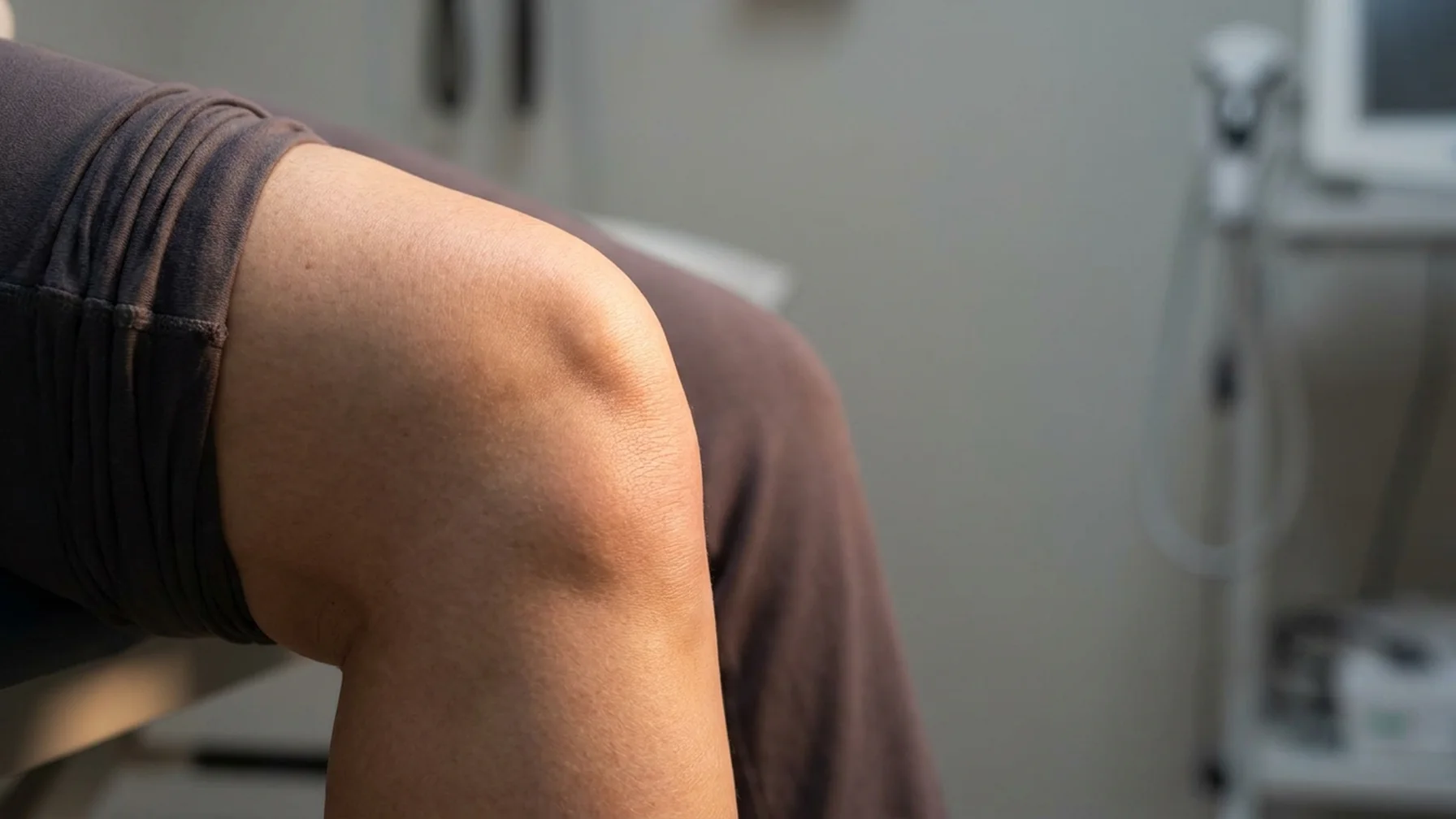
Knee swelling, also known as knee effusion, is a common issue that can affect anyone, from athletes to older adults. It can be caused by a variety of factors, ranging from minor injuries to serious health conditions. Understanding the underlying causes is crucial for effective management and treatment.
Common Causes of Knee Swelling
The causes of knee swelling can vary greatly. Some are acute and result from injury, while others are chronic conditions that develop over time. Here are some of the most common causes:
- Injury: Injuries such as sprains, strains, or fractures can lead to immediate swelling as the body responds to protect the area.
- Osteoarthritis: This degenerative joint disease wears away the cartilage, leading to swelling, pain, and stiffness.
- Rheumatoid Arthritis: An autoimmune condition that causes inflammation in the joints, leading to swelling and pain.
- Bursitis: Inflammation of the bursae, the small sacs of fluid that cushion the knee joint, can cause swelling.
- Infections: Bacterial infections in the knee joint can lead to swelling, requiring immediate medical attention.
Identifying the specific cause of knee swelling is essential for tailoring the right treatment approach. While some causes are manageable with home care, others may need professional medical intervention.
Medical Conditions Linked to Knee Swelling
Several medical conditions can lead to knee swelling. Understanding these can help in diagnosis and treatment:
| Condition | Description |
|---|---|
| Injury | Injuries such as sprains, fractures, or tears can lead to inflammation and swelling in the knee. |
| Arthritis | Conditions like osteoarthritis or rheumatoid arthritis can cause joint inflammation and fluid accumulation. |
| Bursitis | Inflammation of the bursae, small fluid-filled sacs that cushion the knee joint, can result in swelling. |
| Infection | Infections in the knee joint or surrounding tissues can lead to swelling and pain. |
| Gout | A type of inflammatory arthritis caused by uric acid crystallization can cause sudden swelling and pain. |
This table provides a concise overview of key factors that can contribute to knee swelling, highlighting the complexity of the issue and the need for appropriate medical evaluation when symptoms arise.
When to Consult a Doctor for Knee Swelling
While minor knee swelling can often be managed at home, there are certain signs that indicate it's time to consult an orthopaedic doctor:
- Severe pain that doesn't improve with rest
- Significant swelling lasting more than a few days
- Inability to bear weight on the affected leg
- Signs of infection like redness or warmth
- Fever accompanying the swelling
Seeing an orthopaedic specialist can help accurately diagnose the cause of swelling and provide a treatment plan to alleviate the pain and prevent further complications.
How to Relieve Knee Swelling Naturally
For mild cases of knee swelling, natural remedies can be quite effective. Consider the following methods:
- Rest: Allow time for the knee to heal by avoiding activities that put stress on the joint.
- Ice: Apply ice packs to reduce swelling and numb the pain.
- Compression: Use a compression bandage to limit swelling and provide support.
- Elevation: Elevate the leg to reduce blood flow to the knee, helping to decrease swelling.
- Anti-inflammatory Diet: Foods rich in omega-3 fatty acids, like fish, nuts, and seeds, can help reduce inflammation.
These natural approaches can help manage symptoms and improve knee health over time. However, persistent or severe swelling should be evaluated by a healthcare professional.
Exercises to Strengthen Weak Knees
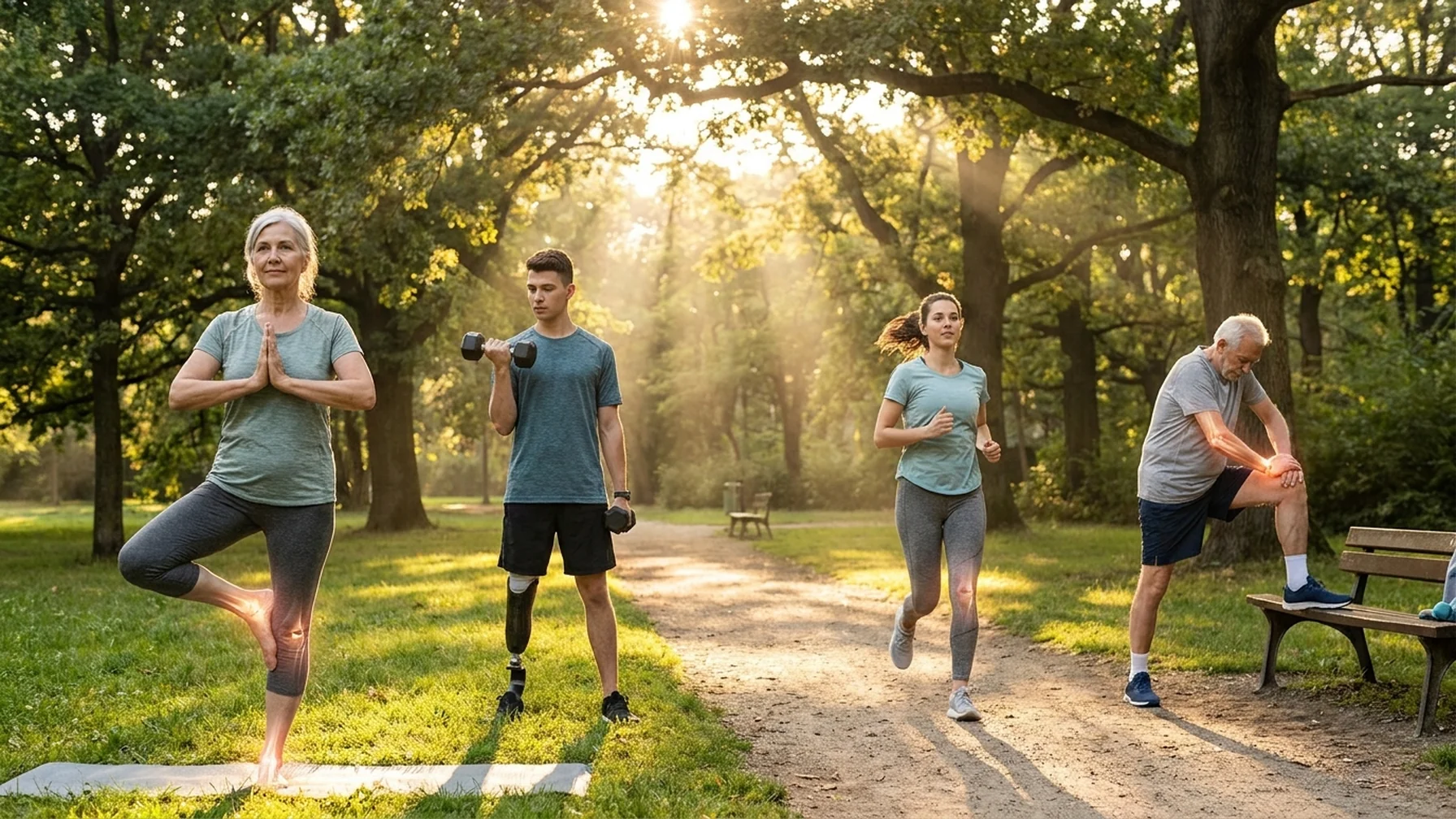
Strengthening the muscles around the knee can help support the joint and reduce the risk of swelling. Consider incorporating these exercises into your routine:
- Quadriceps Set: Tighten your thigh muscle and hold for a few seconds, then release.
- Leg Raises: While lying down, raise one leg and hold for a few seconds before lowering.
- Wall Sits: Lean against a wall and slide down into a sitting position without a chair.
- Calf Raises: Stand on your toes and hold the position, then lower your heels to the ground.
Regularly performing these exercises can enhance knee stability and reduce the likelihood of swelling. Always consult a physical therapist if you are unsure about starting an exercise regimen.
What Causes Arthritis in Young Adults?
While arthritis is often associated with older adults, it can also affect younger people. Causes of arthritis in young adults include:
- Genetic predisposition
- Previous joint injuries
- Autoimmune diseases
- Obesity
- Infection
Early diagnosis and treatment are crucial in managing arthritis effectively and maintaining joint function.
Preventing Osteoporosis to Protect Your Knees
Osteoporosis can contribute to knee problems by weakening bones. Preventative measures include:
- Calcium and Vitamin D: Ensure adequate intake for bone health.
- Regular Exercise: Weight-bearing exercises strengthen bones.
- Avoid Smoking and Excessive Alcohol: Both can weaken bone structure.
- Bone Density Tests: Regular screenings can help detect early signs.
By adopting these lifestyle habits, you can significantly reduce the risk of developing osteoporosis and associated knee issues.