
Understanding the Necessity of Joint Replacement Surgery
Contents
Joint replacement surgery is a major medical procedure that can significantly enhance the quality of life for individuals suffering from severe joint issues. This article delves into when joint replacement is truly necessary and what factors lead to this decision. Typically, joint replacement surgery is considered when joint pain and dysfunction severely impair daily activities. With advancements in medical technology, these surgeries have become more successful, providing relief to many who suffer from chronic joint pain.
Common Causes of Joint Pain
Joint pain can stem from various conditions that affect movement. Recognizing these causes is crucial in determining the need for surgery:
- Osteoarthritis: A degenerative joint disease that wears down cartilage, often leading to stiffness and pain, especially in older adults.
- Rheumatoid Arthritis: An autoimmune condition that inflames joints, causing swelling and eventual joint deformity.
- Injuries: Sprains, fractures, and torn ligaments from accidents or overuse can lead to persistent joint pain.
- Bone Density Loss: Conditions like osteoporosis weaken bones, making joints more susceptible to damage.
Understanding these causes can help in identifying the right treatment approach, which might include surgery. For instance, Sarah, a 65-year-old retired teacher, experienced painful daily walks due to osteoarthritis. After trying physical therapy and medication without success, her doctor recommended knee replacement surgery, which significantly improved her mobility.
Comparison of Joint Replacement Types
Joint replacement surgeries vary depending on the joint affected and the patient's condition. Here is a comparison of common types of joint replacement surgeries, their purposes, ideal candidates, and expected recovery times.
| Type of Surgery | Purpose | Ideal Candidates | Recovery Time |
|---|---|---|---|
| Knee Replacement | Replace damaged knee joint | Severe osteoarthritis sufferers | 3-6 months |
| Hip Replacement | Alleviate hip joint pain | Chronic hip arthritis patients | 3-6 months |
| Shoulder Replacement | Restore shoulder function | Severe shoulder arthritis | 3-6 months |
| Elbow Replacement | Improve elbow mobility | Rheumatoid arthritis cases | 3-6 months |
| Ankle Replacement | Relieve ankle joint pain | Advanced ankle arthritis | 3-6 months |
Understanding the differences between these surgeries can help patients and doctors make informed decisions about the best treatment options based on individual needs and health conditions.
When Is Joint Replacement Necessary?
Joint replacement becomes necessary when non-surgical treatments fail to relieve pain or improve function. Indicators include:
- Severe joint pain affecting daily activities like walking or climbing stairs.
- Limited mobility and stiffness, making it hard to perform basic tasks.
- Ineffectiveness of physical therapy or medications in providing relief.
Consulting an orthopedic doctor is crucial for evaluating these symptoms and determining the need for surgery. Consider John, a 55-year-old engineer, who struggled with hip pain that disrupted his work and leisure activities. Despite trying various therapies, his condition only worsened, leading him to opt for hip replacement surgery, which restored his active lifestyle.
Exercises for Healthy Joints
Maintaining joint health is essential, especially if you're considering joint replacement surgery. Regular exercise can help maintain joint function and delay the need for surgery. Here are some recommended exercises:
- Walking: A simple and effective way to keep joints moving and maintain strength.
- Swimming: Offers a low-impact workout that helps build muscle without straining the joints.
- Yoga: Enhances flexibility and balance, which are crucial for joint health.
- Cycling: Provides cardiovascular benefits while being gentle on the joints.
- Strength Training: Focus on low-resistance exercises to build muscle and support joints.
Incorporating these exercises into your routine can support joint health and potentially reduce the urgency of joint replacement surgery. Always consult with a healthcare provider before starting any new exercise program, especially if you have existing joint issues.
Recovery After Joint Replacement Surgery
Recovery from joint replacement surgery involves several stages:
- Initial Recovery: Hospital stay and pain management to begin healing.
- Rehabilitation: Physical therapy to regain strength and mobility through structured exercises.
- Long-term Care: Regular exercises and follow-up appointments to ensure the joint heals properly.
Adhering to recovery protocols is vital for successful outcomes. For instance, Mike, who had a hip replacement, diligently followed his rehabilitation plan, leading to a swift recovery, allowing him to return to golf within a few months.
How to Relieve Hip Pain Naturally
Natural methods can alleviate hip pain, especially in mild cases:
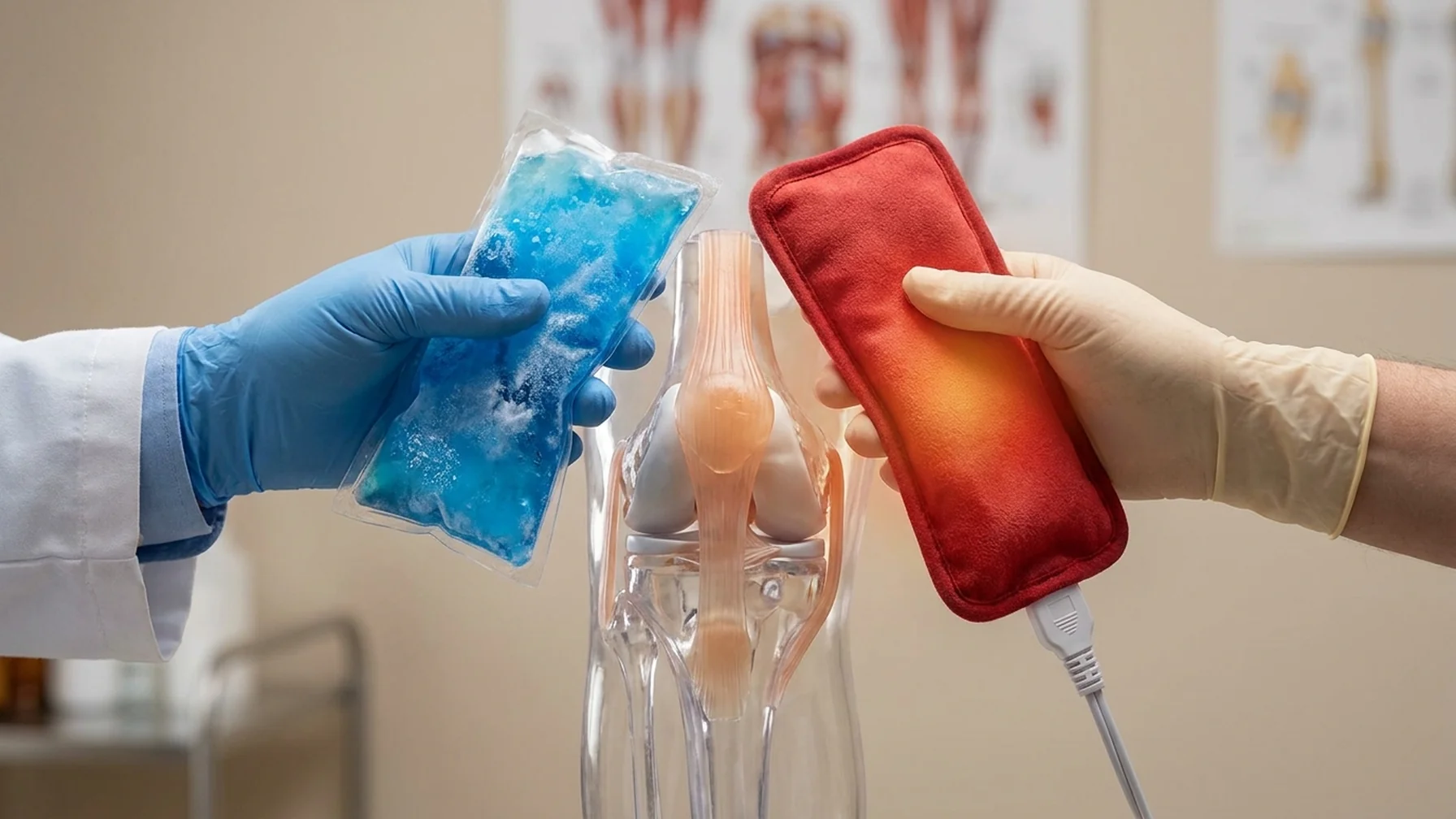
- Heat and cold therapy: Reduces inflammation and soothes muscles, providing temporary relief.
- Weight management: Eases pressure on joints, crucial for those with osteoarthritis.
- Herbal supplements: Such as turmeric for anti-inflammatory effects, can be a complementary approach.
Natural remedies can be part of a comprehensive approach to joint care. For example, Alex, a middle-aged office worker, managed his hip pain by combining weight loss with regular yoga sessions, significantly reducing his discomfort.
Preventing Osteoporosis
Osteoporosis, a major cause of bone density loss, can lead to joint issues. Prevention strategies include:
- Calcium-rich diet: Dairy products, leafy greens support bone strength.
- Vitamin D intake: Sun exposure and supplements enhance calcium absorption.
- Regular weight-bearing exercises: Walking or resistance training promote bone health.
These steps can support bone health and reduce the risk of fractures. Consider Jane, who, after being diagnosed with low bone density, adopted a regimen of calcium supplements and walking, which helped stabilize her condition.
Signs of a Torn Ligament
Torn ligaments can severely impact joint function. Key signs include:
- Sudden, sharp pain, often following a specific injury or intense activity.
- Swelling and bruising at the injury site.
- Instability or inability to move the joint, hindering normal activities.
Immediate medical attention is essential for proper diagnosis and treatment. For instance, Tom, a recreational soccer player, experienced a ligament tear during a game. Prompt surgical intervention and rehabilitation allowed him to return to sports within a year.
Common Mistakes and Solutions in Joint Replacement Decisions
When considering joint replacement, avoiding common mistakes can lead to better outcomes. Some pitfalls include:
- Delaying Surgery Too Long: Waiting until joint damage is severe can complicate recovery. Early intervention, like in Mary's case, often leads to better results.
- Choosing the Wrong Surgeon: Not researching the surgeon's experience can affect surgery success. Always check credentials and seek multiple opinions.
- Ignoring Post-Surgery Care: Failing to adhere to rehabilitation plans can hinder recovery. Commitment to physical therapy was key to Tim's successful knee replacement outcome.
By addressing these mistakes, patients can ensure a smoother journey through the joint replacement process. Proactive measures, informed decisions, and adherence to medical advice play crucial roles in achieving a successful recovery.