
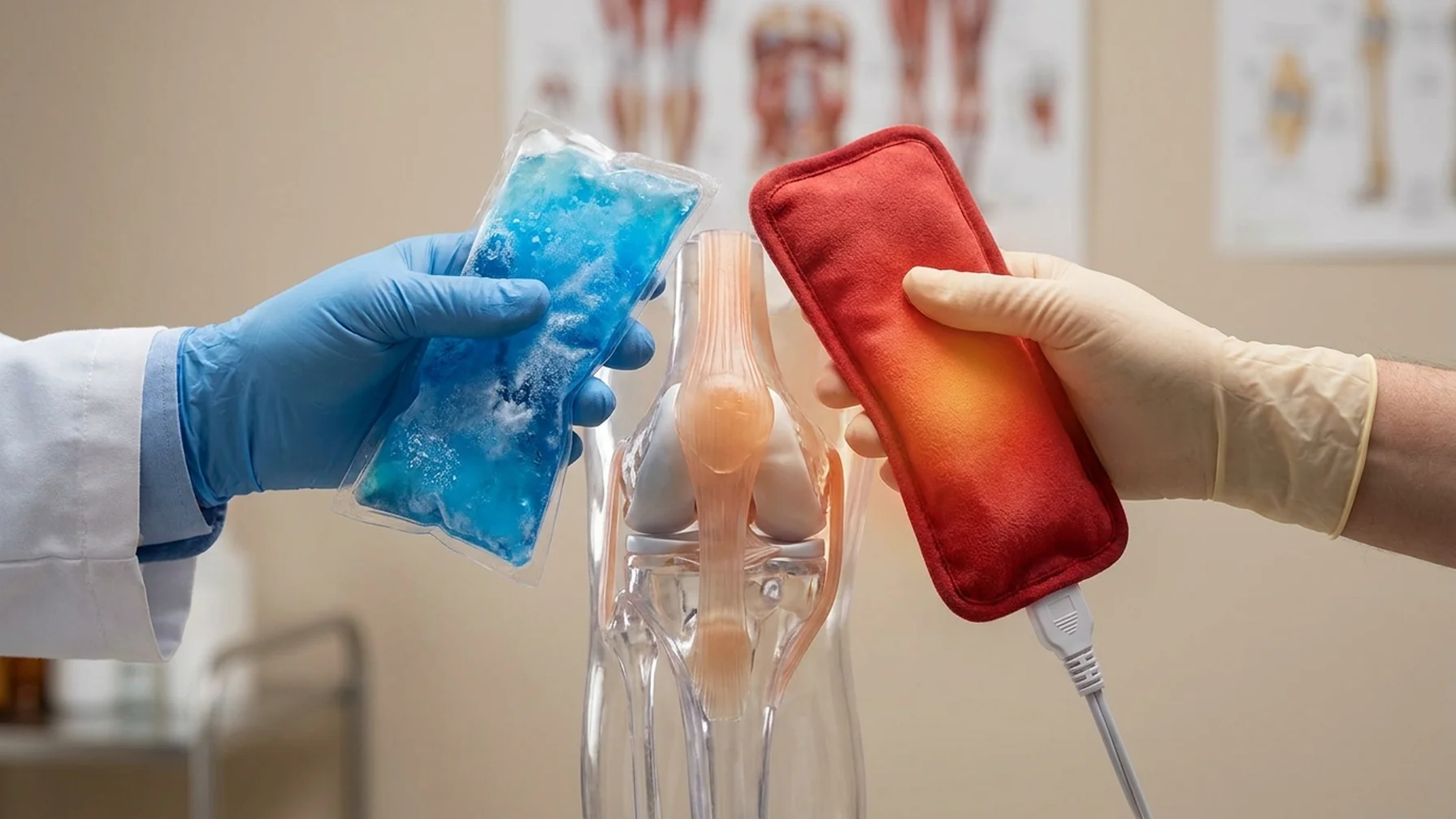
Using Ice vs Heat for Injury Recovery: Making the Right Choice
Contents
Choosing between ice and heat for injury recovery is crucial in managing pain and promoting healing. This decision can significantly affect your recovery time and condition. Ice therapy, often used for acute injuries, helps reduce swelling and numb sharp pain, while heat therapy is beneficial for chronic pain and muscle relaxation. Understanding the differences between these two methods enables you to maximize their benefits and minimize discomfort.
Understanding the Role of Ice in Injury Recovery
Ice therapy, also known as cryotherapy, is commonly used to reduce inflammation and numb sharp pain. It is most effective when applied within the first 48 hours after an injury. Cold temperatures help constrict blood vessels, reducing blood flow to the affected area, which can minimize swelling and bruising.
- Acute injuries like sprains, strains, or bruises
- Reducing swelling and inflammation
- Numbing sharp pain
Applying ice for short periods, typically 15-20 minutes every hour, can provide relief. Always ensure there's a barrier, such as a cloth, between the ice and your skin to prevent frostbite. For example, a soccer player who twists an ankle during a game will benefit from immediate ice application to reduce swelling and pain.
Steps for Effective Use of Ice and Heat
When dealing with injuries, it’s important to know when to apply ice and when to use heat for optimal recovery. Here are the steps to effectively manage your treatment using these methods:
- Assess the type of injury; use ice for acute injuries and heat for chronic muscle pain.
- For ice treatment, wrap ice packs in a cloth and apply them for 15-20 minutes, allowing for breaks in between applications.
- For heat treatment, use a heating pad or warm towel for 15-20 minutes, ensuring it’s not too hot to avoid burns.
By following these steps and understanding the appropriate use of ice and heat, you can enhance your recovery process and alleviate pain effectively. Always consult a healthcare professional for personalized advice based on your specific situation.
When to Use Heat for Injury Recovery
Heat therapy is beneficial for relaxing and loosening tissues and stimulating blood flow to the affected area. It is ideal for chronic conditions or injuries that have no inflammation, such as lower back pain from prolonged sitting.
- Chronic pain or stiffness in joints and muscles
- Muscle spasms and tension
- Before physical activity to loosen muscles
Applying heat can be done through warm towels, heating pads, or warm baths. Limit heat application to 15-20 minutes to prevent burns or overheating. For instance, an office worker experiencing chronic neck tension might find relief with a heating pad at the end of the day.
Key Differences: Ice vs Heat
Choosing between ice and heat depends on the type and timing of the injury. Here's a simple guide:
Ice: Best for acute injuries, reduces inflammation, and numbs pain.
Heat: Ideal for chronic pain, relaxes and soothes muscles, and increases flexibility.
The table below highlights when to choose each method:
Ice vs Heat Decision Guide
| Condition | Ice | Heat |
|---|---|---|
| Acute Injury (First 48 Hours) | Yes | No |
| Chronic Pain | No | Yes |
| Swelling | Yes | No |
| Muscle Stiffness | No | Yes |
| Post-Workout Soreness | Yes | Yes |
| Joint Pain from Arthritis | No | Yes |
This guide can help you make an informed decision based on your specific situation and symptoms. For example, someone with arthritis might find daily morning heat applications helpful to ease joint stiffness before starting their day.
Common Mistakes and How to Avoid Them
One common mistake is using ice or heat for too long. Overuse of ice can lead to frostbite, while excessive heat can cause burns. Another mistake is using heat on a fresh injury, which can increase swelling and pain. For instance, applying heat to a fresh ankle sprain can exacerbate swelling and delay recovery.
To avoid these mistakes, follow recommended application times and alternate between ice and heat if needed, always observing the body's response. A practical approach is to use ice packs for initial 48-hour pain management, then switch to heat for muscle relaxation once swelling subsides.
When to Consult a Healthcare Professional
While ice and heat can be effective for minor injuries, there are times when professional medical advice is necessary. If you experience severe pain, swelling that doesn't improve, or signs of infection, it's crucial to see a healthcare provider. They can offer guidance on treatment options including physiotherapy or other interventions.
Additionally, conditions like osteoarthritis, torn ligaments, or chronic joint pain often require medical evaluation to determine the best course of action and to prevent further injury. A runner with persistent knee pain should consult a professional to rule out serious issues and receive a structured rehabilitation plan.
Conclusion: Making the Right Choice for Recovery
Using ice or heat for injury recovery is a simple yet effective way to manage pain and aid in healing. By understanding the differences and applying them correctly, you can enhance your recovery process. Always consider the type of injury and its stage when choosing between ice and heat, and seek professional advice if you're unsure or if your condition doesn't improve.
Remember, the right treatment can make a significant difference in your recovery journey. Stay informed and proactive in managing your health and wellbeing. Whether it's a sports injury or chronic discomfort, knowing how to apply ice or heat effectively will support your healing process.