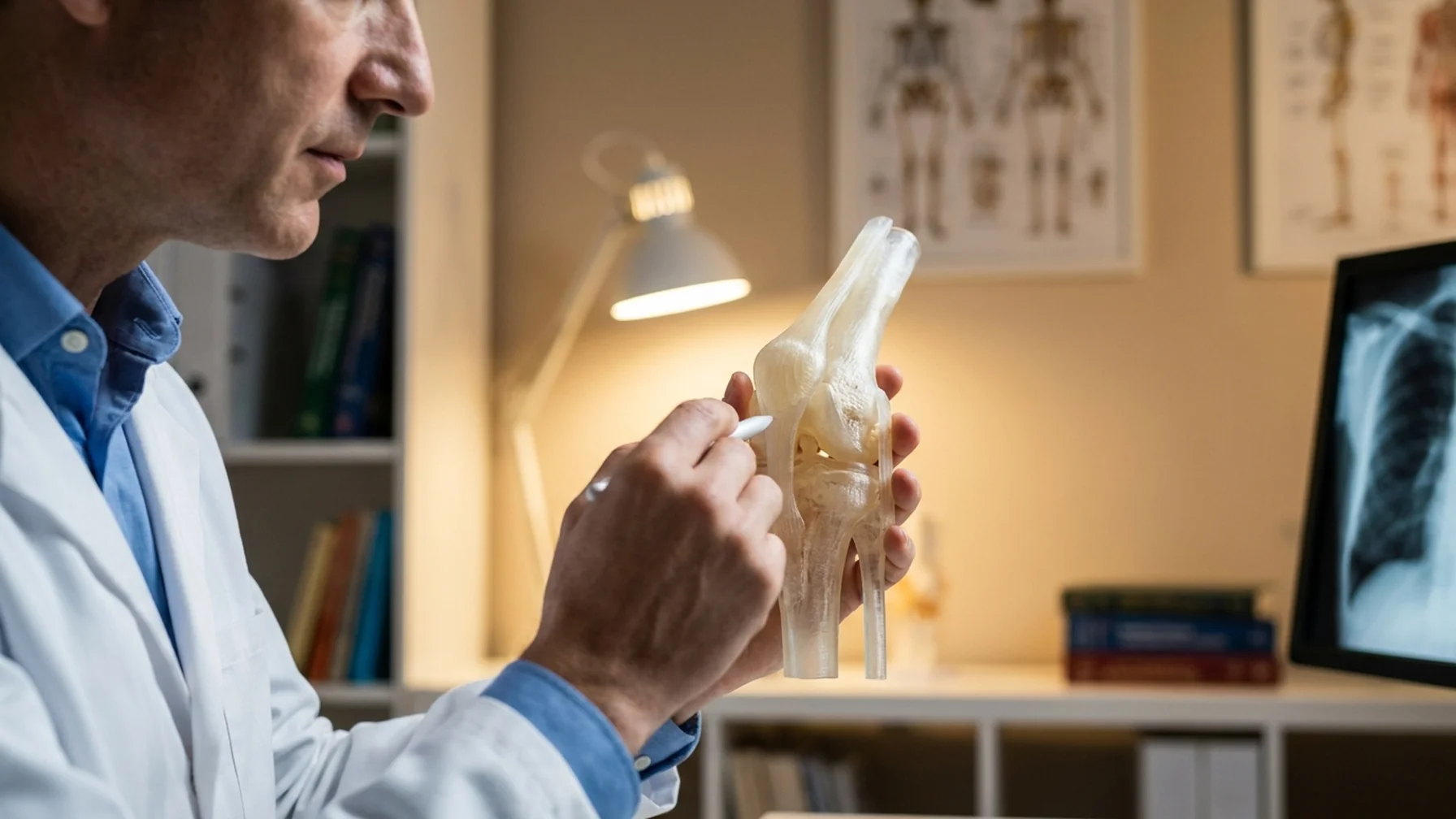

Reducing Inflammation Naturally for Joint and Bone Health
Contents
Inflammation is the body's natural response to injury or infection, acting as a protective mechanism. However, when it becomes chronic, inflammation can lead to persistent joint pain and other orthopaedic issues. Natural methods for reducing inflammation can play a crucial role in maintaining joint and bone health, helping to prevent conditions like arthritis and osteoporosis. This article explores effective natural strategies for reducing inflammation naturally, with a focus on joint health.
Understanding Inflammation and Its Impact on Joints
Inflammation in joints can result from various factors, including injuries, infections, or autoimmune conditions. It often manifests as swelling, pain, or stiffness, making daily activities challenging. Conditions like osteoarthritis and rheumatoid arthritis are common examples where inflammation plays a significant role. In osteoarthritis, for instance, the cartilage cushioning the joints wears down, leading to inflammation and pain. Recognizing these mechanisms is essential for effectively addressing joint inflammation.
Exercises for Healthy Joints
Exercise is fundamental in maintaining joint health and reducing inflammation. Focus on exercises that enhance flexibility, strength, and balance. The table below highlights examples of exercises and their benefits:
Examples of exercises and their respective benefits for joint health are provided in the table below:
| Exercise Type | Example | Benefits |
|---|---|---|
| Stretching | Yoga | Increases flexibility, reduces tension |
| Strength Training | Resistance Training | Increases muscle mass, stabilizes joints |
| Balance Exercises | Pilates | Enhances core strength, improves stability |
Regular physical activity not only reduces inflammation but also strengthens bones, preventing conditions like osteoporosis. For example, elderly participants engaged in regular exercise have shown improved bone density and reduced risk of fractures.
Common Causes of Joint Pain
Joint pain can stem from a multitude of sources. Osteoarthritis, characterized by the degeneration of joint cartilage, is a leading cause. Rheumatoid arthritis, an autoimmune condition, results in inflammation of the joint lining. Injuries such as torn ligaments or sprains, and underlying conditions like lupus or gout, can also lead to joint discomfort.
For example, gout is caused by the accumulation of urate crystals within the joint, leading to intense pain and swelling. Identifying the root cause is crucial for effective management and natural reduction of inflammation.
Natural Methods to Reduce Joint Inflammation
Several natural methods can help reduce inflammation and support joint health. Consider integrating the following practices into your daily routine:
- Anti-inflammatory Diet: Incorporate foods rich in omega-3 fatty acids, like fish and flaxseeds, along with plenty of fruits, vegetables, and whole grains. Individuals following a Mediterranean diet, rich in anti-inflammatory foods, have reported reduced arthritis symptoms.
- Regular Exercise: Engage in low-impact exercises such as swimming or cycling to maintain joint flexibility and strength. Tai chi, a gentle martial art, has been shown to improve balance and reduce arthritis pain.
- Weight Management: Maintaining a healthy weight reduces stress on joints, especially the knees and hips. A reduction of just 10% in body weight can significantly decrease knee pain in overweight individuals.
- Herbal Supplements: Consider turmeric and ginger, known for their anti-inflammatory properties. Curcumin, the active compound in turmeric, has been found to reduce inflammation markers in the body.
- Adequate Hydration: Drinking enough water helps maintain joint lubrication and overall health. Ensuring optimal hydration aids in nutrient transport and waste removal, further supporting joint function.
Incorporating these methods can help reduce inflammation naturally and support long-term joint health. Always consult with a healthcare professional before starting any new treatment or supplement regimen.
Foods Good for Bone Health
A balanced diet plays a crucial role in maintaining bone density and overall orthopaedic health. Include these nutrient-rich foods to support bone health:
- Dairy Products: Rich in calcium and vitamin D, essential for bone strength. Consuming three servings of dairy daily can significantly improve bone mineral density.
- Leafy Greens: Vegetables like spinach and kale provide calcium and other vital nutrients. These greens also contain vitamin K, which is important for bone metabolism.
- Nuts and Seeds: Almonds and sesame seeds offer essential minerals like magnesium and phosphorus. These minerals are crucial for bone formation and maintenance.
Incorporating these foods into your diet can help prevent osteoporosis and other bone-related conditions. For instance, cultures with diets high in these foods show lower incidences of bone fractures.
When to See an Orthopaedic Doctor
While natural methods are beneficial, some situations require professional intervention. Consider consulting an orthopaedic doctor if you experience persistent joint pain, signs of a torn ligament, or significant mobility issues. For instance, if joint pain is accompanied by fever, swelling, or redness, it could indicate an infection or severe inflammation requiring medical treatment. Early diagnosis and treatment can prevent further complications and improve quality of life.
Conclusion: Embrace Natural Strategies for Joint Health
Reducing inflammation naturally through diet, exercise, and lifestyle changes can significantly impact joint and bone health. By understanding the causes of joint pain and implementing these strategies, you can enhance your overall quality of life and reduce the risk of orthopaedic conditions. Remember, always seek professional advice when in doubt about your health. A holistic approach combining natural methods with medical guidance will provide the best outcomes for your joint health journey.