
Foods That Support Bone Health: A Comprehensive Guide
Contents
Maintaining strong bones is essential for overall health and mobility. Our bones require specific nutrients to stay healthy and strong. This article explores the foods that support bone health, helping you to make informed dietary choices to protect your skeletal system. From childhood to old age, bone health is crucial to prevent conditions like osteoporosis, fractures, and other bone-related ailments. With aging, bones naturally lose density, making them more susceptible to breaks. However, a well-balanced diet rich in bone-supporting nutrients can significantly mitigate these risks and maintain your bone strength over time. Let's delve into the details of these vital nutrients and the foods that provide them.
Understanding the Importance of Bone Health
Bone health is crucial for preventing conditions like osteoporosis and fractures. As we age, our bones naturally lose density, making them more susceptible to breaks. Ensuring a diet rich in bone-supporting nutrients can help mitigate these risks and maintain bone strength. For instance, women post-menopause face higher risks of osteoporosis due to hormonal changes. A diet rich in calcium and vitamin D can significantly reduce this risk. Children and adolescents, during their growth spurts, need adequate nutrients to build strong bone foundations. Incorporating these nutrients early on can prevent long-term bone health issues.
Essential Nutrients for Strong Bones
The key to strong bones lies in consuming a balanced diet rich in essential nutrients. Here are some crucial nutrients and why they matter:
- Calcium: The main building block of bones, calcium is essential for bone density and strength. It is particularly vital during childhood and adolescence when bones are growing rapidly.
- Vitamin D: This vitamin helps the body absorb calcium more efficiently. Insufficient vitamin D can lead to bone weakness and increased fracture risk.
- Protein: Adequate protein intake supports bone structure and repair. Protein is vital for elderly individuals to help maintain muscle mass, which supports bone health.
- Magnesium: This mineral plays a role in converting vitamin D into its active form, which aids calcium absorption. Magnesium deficiency can lead to weakened bones and osteoporosis.
- Vitamin K: Essential for bone mineralization, vitamin K helps maintain bone density. It works alongside calcium to build strong bones.
Consuming a diet that includes these nutrients can help support and maintain bone health throughout your life. For example, a study showed that older adults consuming a diet high in protein and calcium had better bone density compared to those with lower intakes.
Top Foods That Support Bone Health
Incorporating the following foods into your diet can provide the nutrients necessary for healthy bones:
Dairy Products
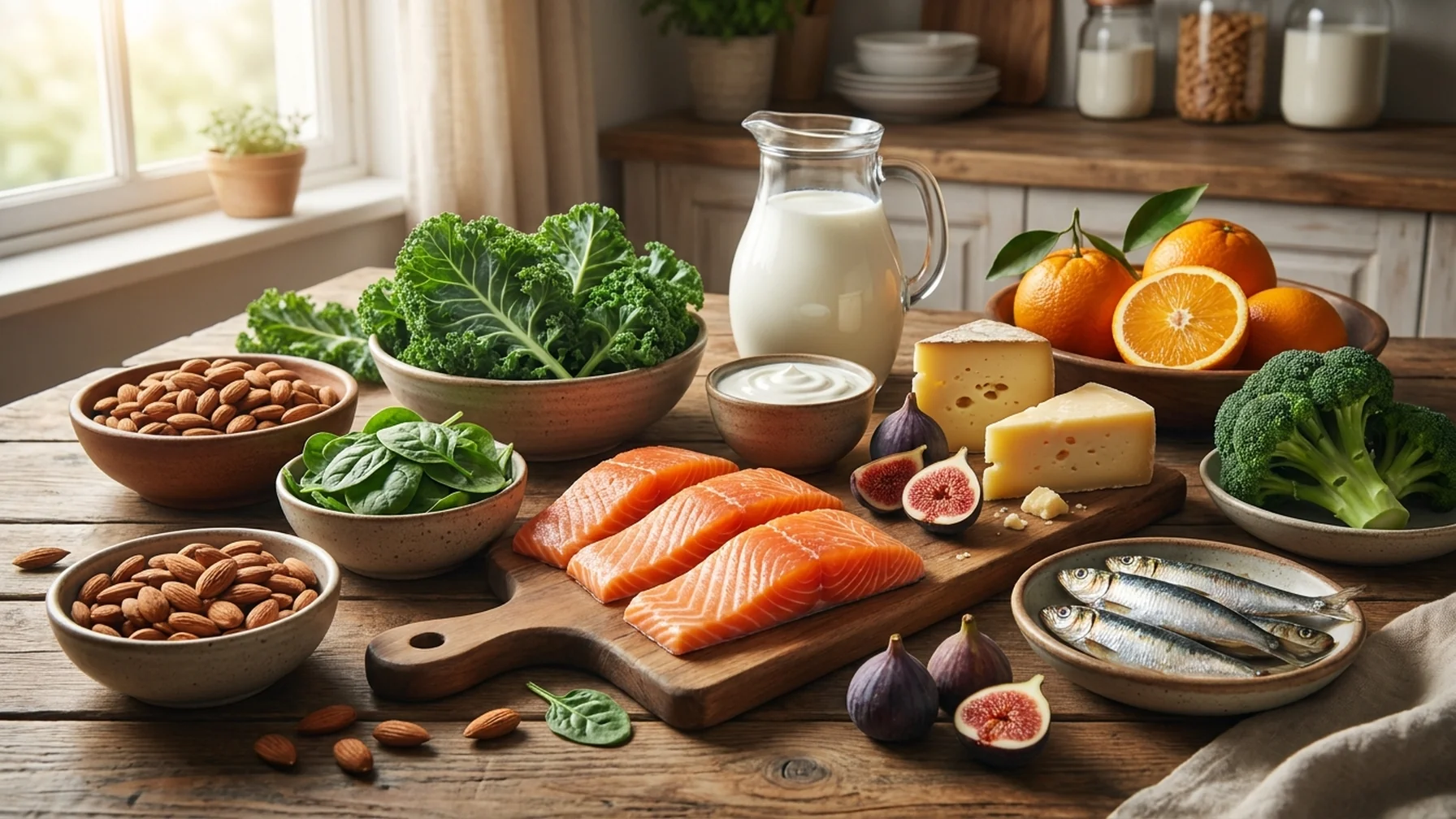
Dairy products like milk, cheese, and yogurt are excellent sources of calcium and vitamin D. These foods can easily be incorporated into daily meals to boost bone health. For instance, a glass of milk with breakfast or a cheese snack can provide a significant portion of daily calcium needs.
Leafy Green Vegetables
Vegetables such as kale, spinach, and collard greens are high in calcium and vitamin K. They are also rich in antioxidants, which help reduce inflammation and protect bone cells. A simple salad with these greens can significantly contribute to your daily nutrient intake.
Fatty Fish
Salmon, mackerel, and sardines are rich in vitamin D and omega-3 fatty acids, which support bone health by enhancing calcium absorption and reducing inflammation. A serving of grilled salmon can provide a substantial part of the recommended daily intake of vitamin D.
Nuts and Seeds
Almonds, chia seeds, and flaxseeds provide magnesium and healthy fats. These nutrients help maintain bone density and overall bone health. Snacking on a handful of almonds or adding chia seeds to your smoothie can boost your magnesium levels.
Fortified Foods
Many foods, including some cereals and plant-based milk alternatives, are fortified with calcium and vitamin D. These can be excellent options for those with dietary restrictions or preferences. For example, fortified almond milk can be a great alternative to dairy for lactose-intolerant individuals.
Building a Bone-Healthy Diet
Creating a diet that supports bone health involves more than just individual food choices. Here are some tips to help you plan your meals:
- Include a variety of foods to ensure you get all the necessary nutrients.
- Focus on whole foods rather than relying solely on supplements.
- Balance protein intake with calcium-rich foods to prevent calcium loss.
By consistently incorporating these foods and strategies into your diet, you can help maintain your bone health and overall well-being. For example, a meal plan including a breakfast of fortified cereal, a lunch with a leafy green salad, and a dinner featuring fatty fish can cover multiple nutritional bases for bone health.
Lifestyle Habits to Complement a Bone-Healthy Diet
While diet plays a critical role in bone health, certain lifestyle habits can further support your bones:
- Regular Exercise: Weight-bearing and resistance exercises strengthen bones and improve joint health. Activities such as walking, jogging, or weight lifting can help maintain bone density.
- Sun Exposure: Spending time in sunlight helps your body produce vitamin D naturally. Even a short daily walk outside can boost your vitamin D levels.
- Avoid Smoking and Excessive Alcohol: Both can negatively impact bone density and overall health. Reducing or quitting smoking and limiting alcohol intake can benefit bone health significantly.
Integrating these habits with a nutrient-rich diet can create a comprehensive approach to maintaining strong bones. For instance, combining a balanced diet with regular exercise has been shown to improve bone density in postmenopausal women.
When to See an Orthopaedic Doctor
If you experience persistent bone pain or suspect a bone-related condition, it is important to consult with an orthopaedic doctor. Early diagnosis and treatment can prevent complications and improve quality of life. For example, individuals with a family history of osteoporosis should consider regular bone density screenings as a preventive measure.
By focusing on foods that support bone health and adopting healthy lifestyle habits, you can strengthen your bones and reduce the risk of bone-related issues. Remember, a proactive approach to bone health can have lasting benefits for your overall well-being.