
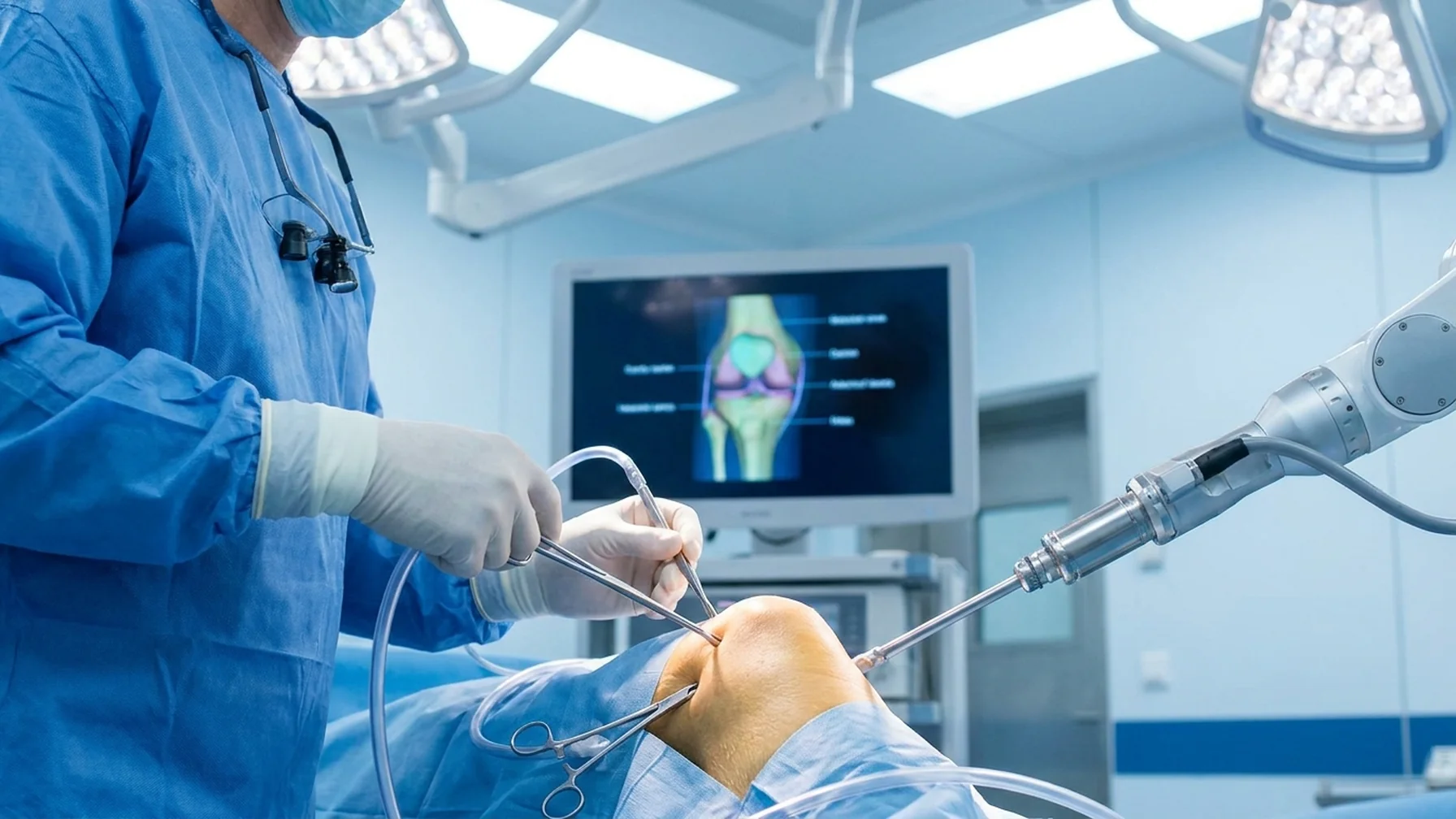
Knee Replacement Procedure Overview: Understanding the Essentials
Contents
Knee replacement surgery, often referred to as knee arthroplasty, is a procedure aimed at alleviating severe knee pain. This comprehensive overview provides insights into the causes of knee pain, the role of orthopaedic consultations, and the details of the knee replacement procedure. Understanding these elements is crucial for anyone considering or preparing for this surgery, as it helps set realistic expectations for recovery and outcomes.
Common Causes of Knee Pain
Knee pain can result from various factors and affects people of all ages. Recognizing these causes is a key step in determining whether knee replacement might be necessary. Some of the common causes include:
- Osteoarthritis: A degenerative joint disease that gradually wears down the cartilage, causing pain and stiffness.
- Rheumatoid Arthritis: An autoimmune disorder leading to joint inflammation and potential knee damage.
- Injuries: Sprains, torn ligaments, and fractures often result from physical activities or accidents.
- Bursitis: Inflammation of the fluid-filled sacs that cushion the knee joint.
For instance, someone with osteoarthritis might initially try medication and physical therapy, but persistent pain might eventually lead to surgery.
Exercises for Healthy Joints
Maintaining joint health through regular exercise is crucial for overall well-being. Exercises can strengthen muscles around the joints, providing better support. Here are some exercises to consider:
- Low-Impact Aerobics: Activities like swimming and cycling reduce stress on joints.
- Strength Training: Focus on building muscle strength, especially around the knees.
- Flexibility Exercises: Stretching helps maintain or improve joint range of motion.
Incorporating these activities into your routine helps keep joints healthy and may reduce the risk of needing surgical intervention. For example, a regular swimmer may maintain strong, flexible knees and delay the need for surgery compared to someone who leads a sedentary lifestyle.
Below is a table comparing the benefits of each exercise type:
| Exercise Type | Benefits |
|---|---|
| Low-Impact Aerobics | Reduces joint stress, enhances cardiovascular health |
| Strength Training | Increases muscle support around joints, improves stability |
| Flexibility Exercises | Improves range of motion, reduces stiffness |
Regular exercise is a proactive way to maintain joint health and improve overall physical fitness.
Knee Replacement Procedure Overview
The knee replacement procedure involves several critical steps. Understanding these steps can help prepare patients for the procedure, ensuring a smoother experience overall. Here is an overview of the typical steps involved:
- Consultation and Evaluation: The patient meets with an orthopedic surgeon to discuss symptoms, medical history, and necessary examinations.
- Pre-operative Preparation: Necessary tests and imaging are performed, and the patient is educated about the procedure and recovery process.
- Anesthesia Administration: On the day of surgery, the patient receives anesthesia to ensure comfort during the procedure.
- Surgery: The surgeon removes damaged cartilage and bone, replacing them with an artificial implant.
- Post-operative Care: After surgery, the patient is monitored for recovery, pain management, and begins rehabilitation.
Each of these steps plays a vital role in the success of the knee replacement procedure and the patient's recovery.
When to See an Orthopaedic Doctor
Consulting an orthopaedic doctor is crucial if knee pain persists despite rest and home treatments. Seek medical advice if you experience:
- Swelling and redness around the knee joint.
- Severe pain that limits daily activities.
- Inability to fully bend or straighten the knee.
- Knee instability or feeling like it may give way.
An orthopaedic specialist can evaluate your condition and recommend the best course of action, possibly including knee replacement surgery. For instance, a patient with chronic knee instability who struggles with daily tasks may find that a timely consultation leads to successful surgical intervention and improved quality of life.
What is a Knee Replacement?
A knee replacement involves removing damaged cartilage and bone from the knee joint and replacing it with artificial components. This procedure aims to relieve pain and restore function in severely affected knees. There are two primary types of knee replacements:
- Total Knee Replacement: Replacing both sides of the knee joint.
- Partial Knee Replacement: Only the affected part of the knee is replaced, preserving as much healthy bone and tissue as possible.
The decision between total or partial replacement depends on the knee's condition and the patient's overall health. For example, a patient with widespread arthritis damage might need a total knee replacement, while someone with damage confined to one area could benefit from a partial replacement.
Recovery After Knee Replacement Surgery
Recovery from knee replacement surgery varies for each individual but typically involves:
- Pain Management: Medications and ice therapy help manage postoperative pain.
- Physical Therapy: Exercises to strengthen the knee and improve mobility.
- Gradual Activity: Slowly increasing daily activities as the knee heals.
Following your surgeon's guidelines is crucial for a successful recovery and to regain full knee function. For instance, a patient who diligently follows their physical therapy regimen often experiences faster recovery and better knee function compared to someone who neglects these exercises.
When is Joint Replacement Necessary?
Joint replacement becomes necessary when conservative treatments fail to alleviate pain and improve function. Indications for surgery include:
- Severe joint pain affecting quality of life.
- Significant loss of mobility despite physical therapy.
- Joint deformities or damage visible on imaging tests.
Your healthcare provider will assess your condition and recommend surgery if it's the best option for improving your quality of life. For instance, a patient whose X-rays show severe joint damage and who is unable to perform daily activities without pain may be a good candidate for joint replacement.
A knee replacement procedure is a significant step for those suffering from chronic knee pain. Understanding the causes of knee pain and when to see an orthopaedic doctor are vital steps in managing joint health. If surgery becomes necessary, knowing what to expect can help you prepare for a smoother recovery and return to daily activities. Patients who enter the process well-informed and with realistic expectations often find the transition back to an active life more manageable and rewarding.