
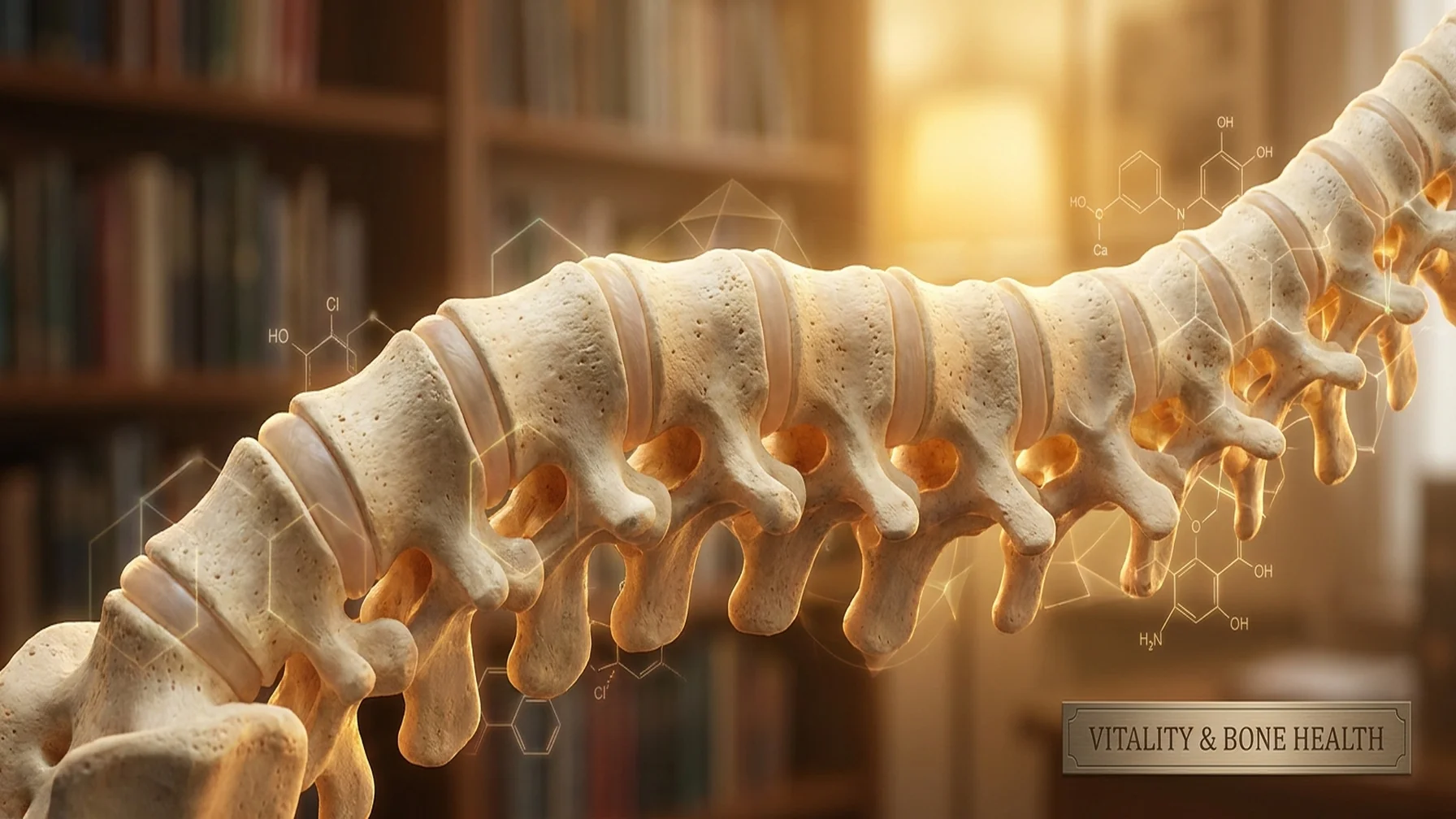
Effective Strategies for Bone Density Loss Prevention
Contents
Bone density loss is a natural part of aging. However, there are numerous strategies to slow this process and maintain strong, healthy bones throughout life. Bone density loss occurs when bones lose their mass, which can lead to conditions like osteoporosis. By understanding its causes and implementing preventive measures, you can significantly influence your long-term bone health. This comprehensive guide will explore the various causes of bone density loss and provide actionable strategies to help you maintain optimal bone health.
Understanding the Causes of Bone Density Loss
Bone density loss, which can lead to osteoporosis, arises when the body loses too much bone, produces too little bone, or both. Understanding the contributing factors is crucial for prevention:
- Age: Bone density naturally diminishes as we age.
- Genetics: Family history significantly influences bone health.
- Hormonal Changes: Events like menopause can rapidly accelerate bone density loss.
- Lifestyle: A sedentary lifestyle, smoking, and excessive alcohol consumption adversely affect bone density.
- Nutrition: A deficiency in essential nutrients, particularly calcium and vitamin D, can weaken bones.
By understanding these factors, individuals can take proactive steps to maintain bone health, thus reducing the risk of osteoporosis. For example, a person with a family history of osteoporosis might prioritize dietary calcium intake and engage in regular, weight-bearing exercise to counteract genetic predispositions.
Implementing a Nutrient-Rich Diet
Your diet is a cornerstone of bone density loss prevention. Incorporating the right nutrients can help build and maintain strong bones:
| Nutrient | Role in Bone Health | Sources |
|---|---|---|
| Calcium | Critical for bone structure | Dairy products, leafy greens, calcium-fortified foods |
| Vitamin D | Facilitates calcium absorption | Sunlight exposure, fatty fish, fortified milk |
| Protein | Essential for bone structure | Meat, dairy, beans, nuts |
| Magnesium and Potassium | Support bone health | Fruits, vegetables, nuts, whole grains |
Incorporating these nutrients into your daily diet can help maintain strong bones. For instance, a daily smoothie with spinach (for calcium and magnesium), fortified almond milk, and a scoop of protein powder can be a delicious and bone-friendly breakfast option.
Engaging in Regular Exercise
Regular physical activity is vital for maintaining bone density. Weight-bearing and resistance exercises are particularly beneficial. Incorporate the following activities into your routine:
- Walking or Jogging: These are simple, effective weight-bearing exercises.
- Strength Training: Lifting weights or using resistance bands helps build muscle and strengthen bones.
- Yoga or Pilates: These activities improve balance, flexibility, and bone strength.
Regular exercise strengthens bones and improves joint health, reducing the risk of injury. For instance, participating in a weekly yoga class can enhance flexibility and balance, critical for preventing falls and fractures.
Preventing Osteoporosis Through Lifestyle Adjustments
Aside from diet and exercise, lifestyle choices play a significant role in bone health. Consider these adjustments to prevent osteoporosis:
- Avoid Smoking: Smoking is linked to decreased bone density and should be avoided.
- Limit Alcohol: Excessive alcohol consumption can weaken bones and should be moderated.
- Ensure Adequate Sleep: Quality sleep supports overall health, including bone health.
Implementing these lifestyle changes can dramatically reduce the risk of osteoporosis. For example, replacing nightly alcoholic drinks with herbal tea can enhance sleep quality and benefit bone health over time.
Recognizing When to Seek Medical Advice
It's important to consult a healthcare provider if you're concerned about bone density loss. Consider seeking medical advice if you experience:
- Frequent fractures or bone injuries.
- Loss of height or noticeable curvature of the spine.
- A family history of osteoporosis or related conditions.
A healthcare provider can offer a bone density test and develop a personalized prevention or treatment plan. For example, if a bone density test reveals decreased bone mass, a doctor might recommend calcium supplements or prescribe medication to help prevent further bone loss.
Conclusion: Proactive Steps for Healthy Bones
Preventing bone density loss requires a multifaceted approach, including dietary adjustments, regular exercise, and lifestyle changes. Understanding the causes and implementing these strategies can help maintain stronger bones and reduce the risk of osteoporosis. Regular check-ups with a healthcare provider can ensure that bone health remains a priority, providing peace of mind and promoting overall well-being.