Contents
Torn ligaments can lead to significant discomfort and potential long-term mobility issues if not treated properly. Recognizing the warning signs is essential for preventing further damage and ensuring effective treatment. This guide explores common symptoms of torn ligaments, the importance of medical consultation, and potential complications of untreated injuries.
Common Causes of Ligament Tears
Ligament tears often occur due to sudden movements or trauma, which exceed the ligament's ability to stretch. These injuries might happen during sports, accidents, or even routine activities. Typical causes include:
- Twisting or pivoting, especially in sports.
- Direct impact or collisions.
- Overstretching or awkward landings from jumps.
By understanding these causes, individuals can take preventive measures to avoid activities that might lead to ligament injuries.
Recognizing Torn Ligament Symptoms
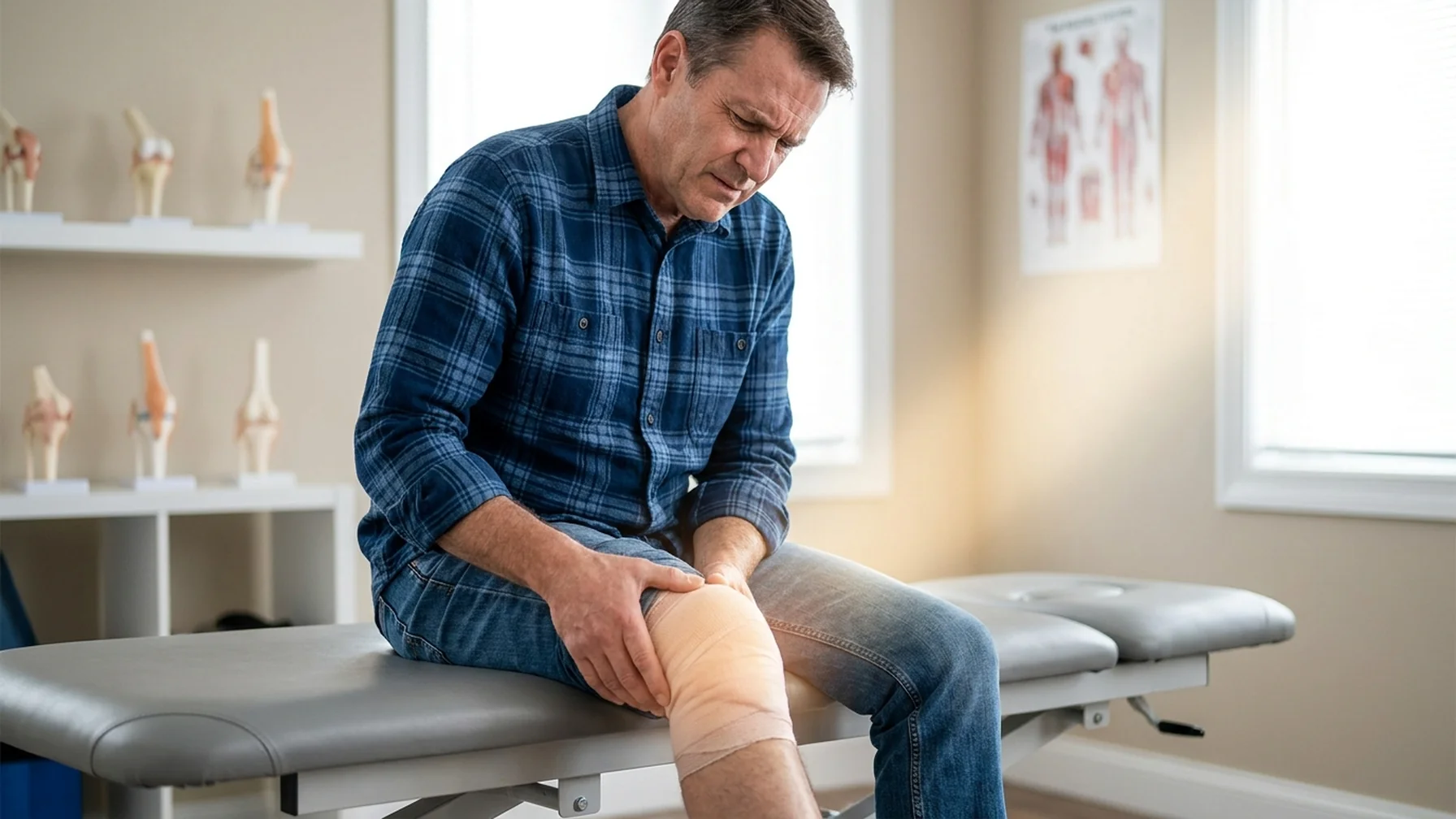
Understanding the warning signs of a torn ligament can help in seeking timely medical attention. The table below outlines common symptoms associated with this type of injury.
Key symptoms include:
| Warning Sign | Description |
|---|---|
| Pain | Sharp or throbbing pain near the affected joint, especially during movement. |
| Swelling | Inflammation around the joint, often visible within hours of the injury. |
| Bruising | Discoloration of the skin around the joint due to bleeding beneath the surface. |
| Instability | A feeling of looseness in the joint, making it difficult to support weight. |
| Reduced Range of Motion | Difficulty in moving the joint fully or pain that limits movement. |
Identifying these symptoms early can lead to prompt diagnosis and effective treatment, ensuring a better recovery outcome. Always consult a healthcare professional for a proper assessment.
When to Consult an Orthopaedic Specialist
While minor injuries may heal with home care, certain signs indicate the need for professional medical evaluation. Seek an orthopaedic specialist if:
- Pain and swelling do not improve after several days of rest.
- There is noticeable deformity or misalignment in the joint.
- Difficulty in moving the joint or bearing weight persists.
- You experience continuous instability in the joint.
Early consultation with an orthopaedic doctor can prevent further complications and facilitate a quicker recovery.
Potential Complications of Untreated Ligament Tears
Ignoring a torn ligament can lead to several complications, such as:
- Chronic Pain: Persistent pain that may evolve into a long-term problem.
- Joint Instability: Increased risk of further injuries due to weakened joint support.
- Arthritis: Long-term damage to joint cartilage may lead to arthritis.
To avoid these complications, it is vital to adhere to a recommended treatment plan and engage in rehabilitation exercises.
Preventing Ligament Injuries
Although not all ligament injuries are preventable, certain measures can reduce the risk:
- Proper Warm-Up: Always warm up before engaging in physical activity.
- Strengthening Exercises: Regular exercises to strengthen surrounding muscles provide better support.
- Use Proper Gear: Appropriate footwear and protective gear can minimize injury risks.
- Rest and Recovery: Allow adequate rest and recovery between intense activities.
Taking these precautions can help minimize the chances of sustaining a ligament injury.
Treatment Options for Torn Ligaments
Treatment for torn ligaments depends on the severity of the injury. Common approaches include:
- Rest and Ice: Initial treatment often involves rest, ice, compression, and elevation (RICE method).
- Physical Therapy: A structured rehabilitation program to restore movement and strength.
- Medications: Pain relievers and anti-inflammatory drugs to manage symptoms.
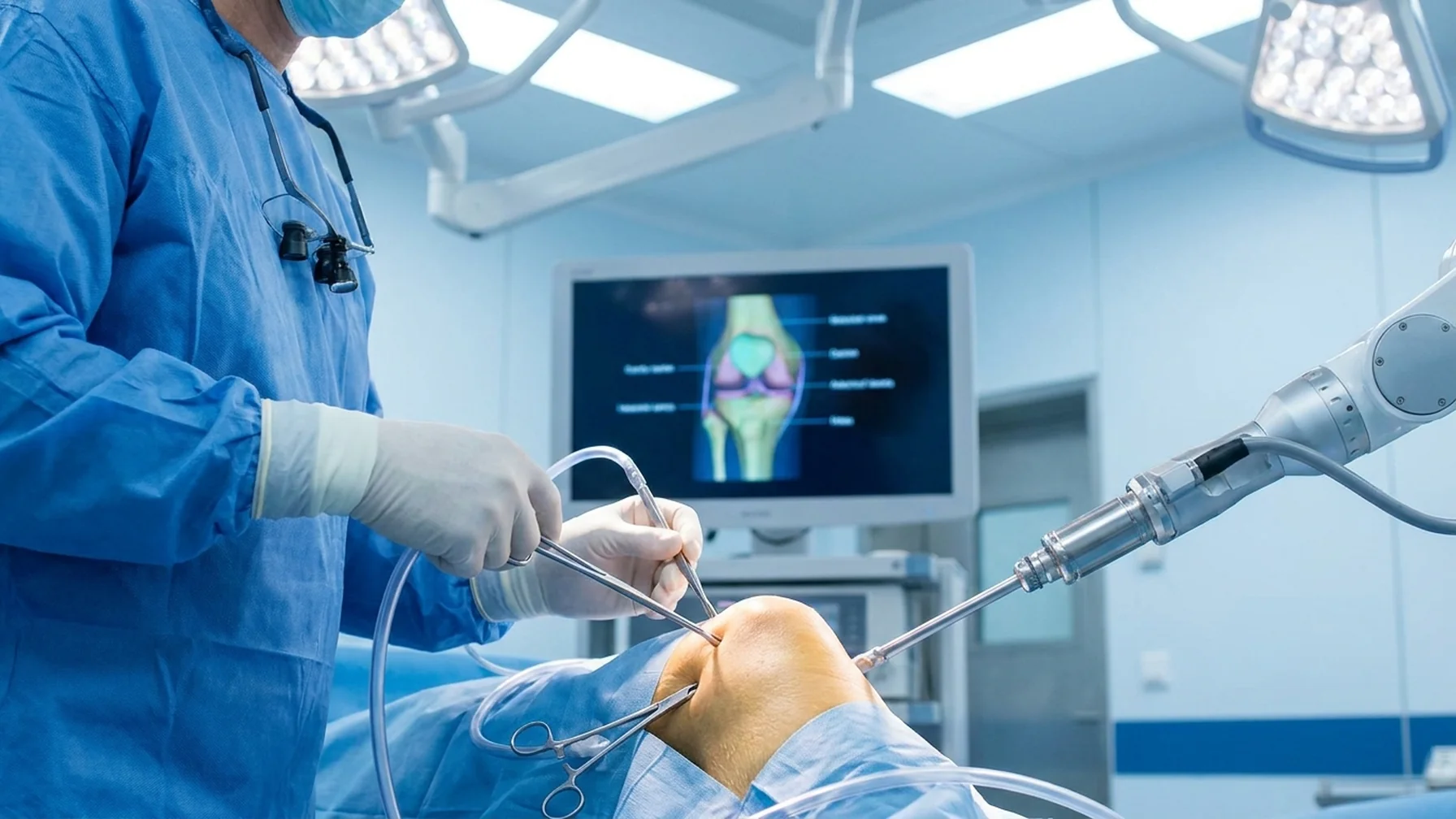
- Surgery: In severe cases, surgical intervention may be necessary to repair the ligament.
Following a comprehensive treatment plan can significantly enhance the recovery process and prevent future injuries.
By being aware of torn ligament warning signs and taking timely action, joint health can be protected, and an active lifestyle maintained. Always consult healthcare professionals for personalized treatment and recovery plans.